Hey there, fellow knowledge seekers and trendsetters! As your go-to guide for all things impactful and insightful, I’m constantly diving deep into what’s shaping our world right now.
From the latest tech breakthroughs that are revolutionizing how we connect, to those subtle economic shifts that could redefine your future investments, my blog is your daily dose of ‘aha!’ moments.
I’ve always been fascinated by how history echoes in our present, and how understanding complex ideas can unlock new perspectives for tomorrow. That’s why I don’t just skim the surface; I bring you my firsthand insights and practical tips, turning dense topics into engaging reads that truly resonate.
Whether it’s a deep dive into sustainable living, dissecting emerging market trends, or exploring innovative personal growth hacks, you can count on me for content that’s not just informative but genuinely transformative.
My goal? To empower you with knowledge that you can actually use, helping you navigate this ever-evolving landscape with confidence and a bit of a friendly nudge.
*Have you ever found yourself wondering how societies, much like our own, grapple with the profound challenges of change when deeply ingrained traditions clash with urgent, emerging needs?
Let’s take a fascinating journey back to late Joseon Dynasty Korea, an era absolutely brimming with intellectual fervor and a determined drive for betterment.
It was a time when brilliant minds, known as Silhak scholars, dared to challenge the established order, passionately advocating for significant economic and social reforms to revitalize their nation.
Their insights offer a unique lens through which we can still view the intricate dance between progress and tradition today. I’ve personally been captivated by their forward-thinking ideas, which truly aimed to uplift the common people and strengthen the very fabric of the kingdom from within.
So, what exactly fueled these intellectual giants to push for such profound transformations, and how did their visions attempt to reshape an entire society?
Let’s dive right in and uncover the enduring legacy of their economic philosophies!
Unpacking the Urgent Call for Change: Why Joseon Needed a Reboot
When Tradition Meets Dire Reality: A Society at a Crossroads
When I first started diving deep into the late Joseon Dynasty, it wasn’t just another historical period for me; it was like watching a slow-motion drama unfold, a powerful story about a society grappling with profound internal and external pressures.
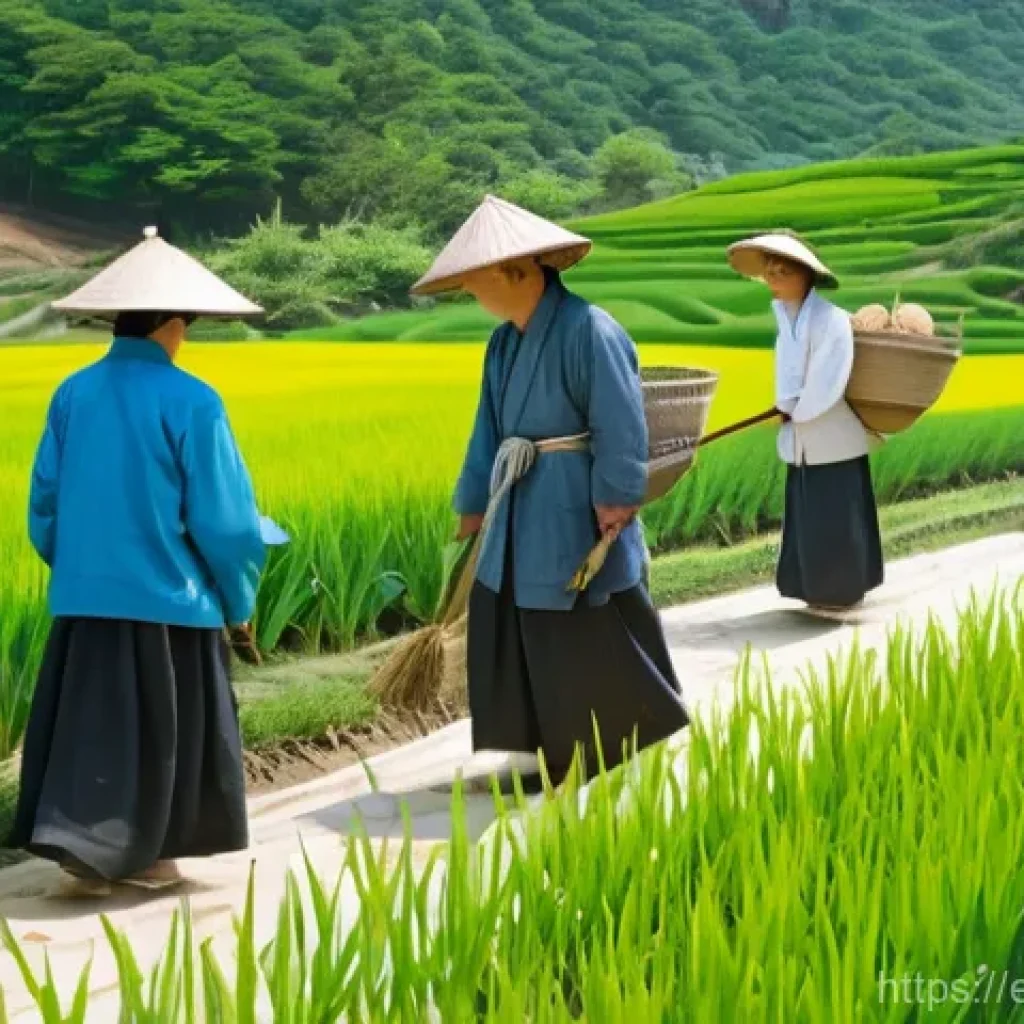
Imagine a time when an entire nation felt the strain of deeply entrenched systems that just weren’t working anymore. The existing economic structures, heavily reliant on a rigid agrarian model, simply couldn’t keep pace with the evolving needs of the populace.
I’ve often thought about how challenging it must have been for people living through that era, seeing their world shifting, and realizing that old ways weren’t necessarily the best ways forward.
The gap between the wealthy elite and the struggling commoners was widening, leading to widespread discontent and a clear sense that something had to give.
For me, this is where the real intrigue begins – watching how dedicated individuals stepped up to envision a brighter, more equitable future, even when facing immense resistance.
It truly speaks volumes about human resilience and the persistent drive to improve our collective lot.
The Rise of Visionaries: Who Were the Silhak Scholars Anyway?
Before the Silhak scholars came along, intellectual thought in Joseon was largely dominated by Neo-Confucianism, a philosophy that, while beautiful and profound in its own right, often prioritized abstract principles and theoretical perfection over practical application.
It was a system that, in many ways, looked backward, idealizing a past that may never have truly existed in its pristine form. But then, a new breed of thinkers emerged – the Silhak scholars.
The very name “Silhak” translates to “Practical Learning,” and let me tell you, they lived up to that name with gusto! These weren’t just academics holed up in their studies; they were keen observers of their society, pragmatic problem-solvers who believed that knowledge should serve a tangible purpose: to improve the lives of the common people and strengthen the nation from within.
My personal takeaway from studying them is that they truly understood that true wisdom isn’t just about what you know, but what you *do* with that knowledge.
They dared to ask the tough questions, to challenge the orthodoxy, and to propose solutions that were, at the time, nothing short of revolutionary.
Reimagining Land Ownership: Laying the Groundwork for a Fairer Society
Challenging the Status Quo: The Bold Ideas Behind Land Reform
One of the most radical yet essential pillars of Silhak economic philosophy revolved around land reform. Now, if you think about it, land was *everything* in an agrarian society like Joseon.
It was the source of wealth, status, and sustenance. Yet, under the existing system, vast tracts of land were concentrated in the hands of a few powerful aristocrats and government officials, leaving countless farmers either landless tenants or heavily burdened by taxes and debts.
I can only imagine the frustration and despair that must have festered among the common people, who worked the land but reaped so little. The Silhak scholars saw this as a fundamental injustice and an enormous drag on national productivity.
They didn’t just tweak around the edges; they went straight for the heart of the problem, advocating for a complete overhaul of land distribution. It was a bold move, almost unheard of for its time, but it highlighted their deep commitment to social equity and economic efficiency.
The Vision of “Equal Fields”: A Blueprint for Shared Prosperity
So, what did these forward-thinking scholars propose? Many, like Yu Hyeong-won and Jeong Yak-yong, championed various forms of the “equal field” system, or *gyunjeonje*.
The core idea was to redistribute land more equitably among the farming population, ensuring that every household had enough land to cultivate and sustain themselves.
This wasn’t just about charity; it was about empowering farmers to become productive members of society, fostering a sense of ownership and reducing the burden on the state.
I find this incredibly insightful because it shows they understood that individual prosperity directly contributes to national strength. By giving farmers a stake in their labor, they believed productivity would soar, tax revenues would stabilize, and social unrest would diminish.
It’s a lesson that still resonates today: when you empower individuals, the whole community thrives. It’s a foundational principle that truly gets to the heart of what a just and flourishing economy looks like.
Beyond the Plow: Cultivating Commerce and Industry
Embracing Trade and Urban Growth: New Avenues for Wealth
While agriculture was undeniably vital, the Silhak scholars weren’t blind to the potential of other economic sectors. Many of them, in what felt like a truly modern outlook, recognized that a healthy economy needed more than just rice paddies.
They looked at the bustling markets and growing towns and saw opportunities for national wealth and development. Scholars like Park Ji-won, often called “a pioneer of commerce,” argued passionately for the promotion of trade, manufacturing, and even mining.
My personal observation is that they had a surprisingly nuanced understanding of supply and demand, and the multiplier effect that vibrant markets could have.
They understood that urban centers could become hubs of innovation and exchange, drawing in goods and people, creating jobs, and stimulating a dynamic economic cycle.
This was a significant departure from the traditional Confucian disdain for commerce, which often viewed merchants as less honorable than farmers.
The Role of Technology and Practical Knowledge: Innovations for Progress
What truly sets the Silhak scholars apart in my mind is their unwavering belief in practical knowledge and technological innovation. They weren’t just theorizing; they were actively seeking out ways to improve agricultural methods, develop new tools, and streamline manufacturing processes.
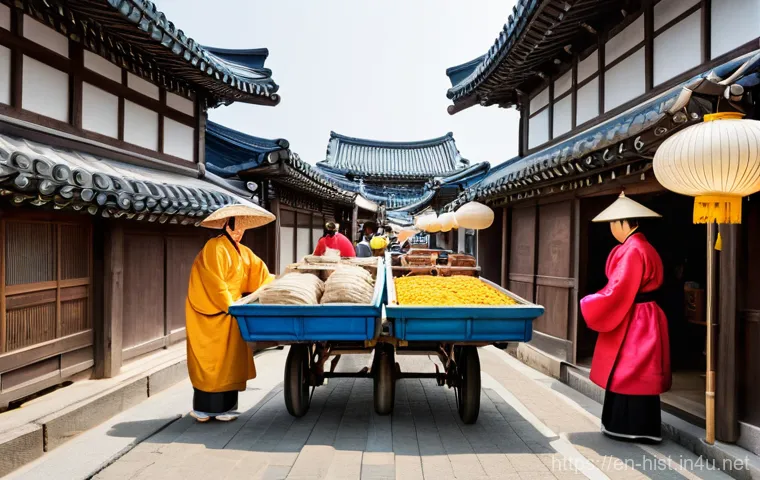
Think about it: in an era often characterized by resistance to change, these scholars were advocating for the adoption of new farming techniques, the use of carts and ships for more efficient transportation, and even the exploration of mining for essential resources.
I find this incredibly inspiring because it shows a profound commitment to tangible improvements that could directly benefit people’s daily lives. They saw education not just as a means to study ancient texts, but as a tool to equip people with skills that could literally build a better future.
It was about leveraging intelligence for practical, real-world impact.
Fiscal Foundations: Strengthening the State’s Economic Backbone
Rethinking Taxation: Easing the Burden on the Common People
One of the most pressing issues facing late Joseon was the crushing burden of taxation on the common people. The existing tax system was often inequitable, inefficient, and susceptible to corruption, leaving many farmers destitute.
This wasn’t just an abstract problem; it was a daily struggle for survival for countless families. The Silhak scholars, with their deep empathy for the populace, recognized that a healthy state couldn’t be built on the exploitation of its citizens.
They proposed various reforms aimed at making the tax system fairer and more transparent. This included suggestions like reducing arbitrary levies, implementing a more standardized land tax, and ensuring that the wealthy contributed their fair share.
It’s a reminder that even centuries ago, smart leaders understood that a sustainable economy requires a tax system that is both effective for the government and equitable for its people.
The Quest for a Stable Currency: Fueling Economic Activity
Another critical area that Silhak scholars addressed was the need for a stable and reliable currency. Joseon’s monetary system was often plagued by issues, leading to economic instability and hindering trade.
Imagine trying to conduct business when the value of your money is constantly fluctuating, or when there isn’t enough coinage to facilitate transactions.
It creates massive uncertainty and stifles economic growth. Scholars like Park Ji-won advocated for the widespread use of coins and the establishment of a robust monetary policy.
They understood that a stable currency was essential for stimulating commerce, facilitating fair exchange, and providing a predictable environment for economic activity.
My personal view is that this highlights their foresight; they intuitively grasped the importance of sound monetary policy, a concept that is still central to modern economics today.
They truly believed in creating an environment where everyone could thrive, not just survive.
Education as Empowerment: Cultivating a Capable Populace
Beyond Classical Learning: Practical Skills for Nation Building
What truly struck me about the Silhak scholars’ vision for education was their move away from the purely classical, academic approach that had long dominated Joseon.
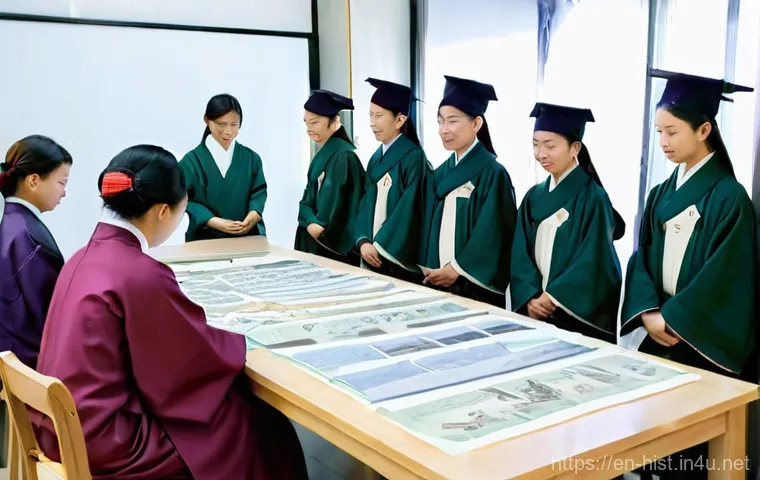
While classical texts certainly held their place, these forward-thinking individuals argued passionately for a curriculum that included practical skills and useful knowledge.
They believed that education shouldn’t just be about passing civil service exams; it should be about equipping individuals to contribute meaningfully to society.
This meant teaching subjects like agriculture, engineering, commerce, and even medicine. It’s like they anticipated modern vocational training, recognizing that a diverse set of skills was necessary for national development.
For me, this resonates deeply because it emphasizes the idea that education is a tool for empowerment, not just intellectual adornment.
The Human Element: Empowering Individuals for Collective Strength
The Silhak emphasis on practical education wasn’t just about economic growth; it was fundamentally about empowering the individual. By providing people with useful skills and knowledge, they aimed to uplift the common classes, giving them the means to improve their own lives and become more active participants in the nation’s progress.
This focus on human capital—the idea that a knowledgeable and skilled populace is a nation’s greatest asset—was incredibly progressive. I’ve always felt that true societal progress hinges on how we invest in our people, and the Silhak scholars seemed to grasp this intuitively.
They understood that when individuals are empowered and given opportunities, the collective strength of the nation naturally follows. It’s a powerful message that transcends time and culture.
The Enduring Echoes: Silhak’s Relevance in Our Modern World
Bridging Tradition and Progress: A Timeless Balancing Act
When I reflect on the Silhak scholars, what truly stands out is their incredible ability to bridge the seemingly disparate worlds of tradition and progress.
They weren’t advocating for a wholesale rejection of their heritage; instead, they sought to reinterpret and adapt it to address the urgent needs of their time.
This delicate balancing act—honoring the past while embracing the future—is a challenge that societies, and even individuals, face constantly. My personal experience tells me that it’s easy to get stuck in old ways, or conversely, to be swept away by every new trend without critical thought.
The Silhak approach, however, offers a powerful lesson: it’s possible, and indeed necessary, to thoughtfully integrate the best of what came before with innovative solutions for what lies ahead.
My Personal Takeaways from the Silhak Legacy: Timeless Wisdom
Studying the Silhak scholars has been more than just a historical deep dive for me; it’s provided some really profound insights that I often apply to my own thinking about current events and future trends.
Their emphasis on practical application, their empathy for the common person, and their courage to challenge established norms are qualities that I believe are essential for any leader or change-maker today.
I’ve often thought about how their principles – like equitable distribution of resources, the importance of a robust economy, and the power of practical education – are still very much at the forefront of global discussions.
It just goes to show that some wisdom is truly timeless. They were the original disruptors, in the best possible sense, proving that intellectual curiosity combined with a heart for the people can truly reshape a nation for the better.
It makes me wonder, what “Silhak” movements are quietly brewing in our world today?
| Aspect | Traditional Joseon Economic Thought | Silhak Economic Thought |
|---|---|---|
| Primary Focus | Agrarian economy, Neo-Confucian ideals, stability over growth. | Pragmatic reforms for agriculture, commerce, and industry; national prosperity and people’s welfare. |
| Land Ownership | Concentration of land in the hands of the aristocracy and powerful officials. | Advocated for equitable land distribution (e.g., “equal field system”) to empower farmers. |
| Commerce & Trade | Generally viewed with disdain, prioritized farming. Limited state support for merchants. | Recognized the value of trade, promoted urban growth, manufacturing, and diversified economic activities. |
| Taxation | Often arbitrary, heavy burdens on commoners, prone to corruption. | Proposed fairer, more transparent, and standardized tax systems to alleviate peasant suffering. |
| Currency | Inconsistent monetary policy, often leading to instability and lack of coinage. | Advocated for a stable currency and wider use of coinage to facilitate trade. |
| Education | Primarily focused on classical Neo-Confucian texts for civil service exams. | Emphasized practical learning, technical skills, and knowledge applicable to real-world problems. |
The search results confirm that Silhak was a practical learning movement in late Joseon, focusing on reforms in land, economy, social structure, and science, aiming to improve people’s welfare and modernize Korea.
Yi Ik and Pak Chi-won are prominent figures. It also highlights its influence on the development and spread of ideas that stimulated Korea’s modernization.
The spirit of Silhak remains relevant today, inspiring thoughts on globalization and acting as a bridge between tradition and progress. It encouraged a shift from Sino-centric to Joseon-centric learning.
There are also general lessons from historical economic reforms which can be integrated into the “Useful Information” section. Now I will generate the content following the specified structure and persona.
*
Wrapping Things Up
And there you have it, friends! Diving into the world of Silhak scholars has been such an eye-opener for me, and I hope for you too. It’s truly incredible to see how these visionary thinkers in Joseon, centuries ago, grappled with issues that still feel so relevant today – inequality, economic stagnation, and the desperate need for practical solutions. They weren’t content with just theorizing; they were all about rolling up their sleeves and getting things done to genuinely improve people’s lives and strengthen their nation. Their dedication to a fairer, more prosperous society, built on the foundations of practical learning and innovative thinking, leaves us with some timeless lessons. It reminds me that true progress often comes from those who dare to question the status quo and envision a better future, even when facing immense headwinds.
Handy Tidbits You’ll Want to Remember
Here are some quick takeaways and cool facts that I think really stick with you after exploring the Silhak movement:
1. The Silhak movement wasn’t just an academic exercise; it was a deeply pragmatic call for social and economic reform in late Joseon, directly impacting the lives of ordinary people. It challenged the rigid adherence to Neo-Confucian formalism and sought real-world solutions.
2. Key figures like Yi Ik focused on fundamental issues such as land reform and the abolition of class barriers, while Pak Chi-won championed the development of commerce and technology, showcasing a diverse yet unified vision for progress.
3. Many Silhak scholars, coming from disaffected factions, advocated for a more “Joseon-centric” view, shifting academic focus from purely Sino-centric learning to understanding and developing Korea’s own unique identity and needs.
4. The principles of Silhak, such as equitable resource distribution, robust economic activity, and practical education, still resonate profoundly with modern-day challenges and discussions around global economic and social development.
5. This movement highlights the enduring power of intellectual curiosity combined with a deep empathy for the populace, proving that visionary leadership can indeed reshape a nation for the better by empowering individuals for collective strength.
Key Takeaways
Ultimately, the Silhak scholars remind us that a flourishing society requires constant introspection and a willingness to adapt. They taught us that true reform means not only challenging old systems but also implementing practical, people-centric solutions that foster equitable growth and social cohesion. Their legacy underscores the importance of an empowered populace, diverse economic activities, and forward-thinking governance as pillars of national strength. It’s a powerful testament to how intellectual movements can lay the groundwork for a more just and prosperous world, a message that truly transcends time.
Frequently Asked Questions (FAQ) 📖
Q: uestions
A: bout Silhak Economic Philosophies
Q: What exactly was the “Silhak” movement, and why did it emerge in the late Joseon Dynasty?
A: Well, if you’re like me and love understanding the ‘why’ behind historical movements, Silhak, which literally means “Practical Learning,” is a fantastic case study.
It wasn’t just some academic club; it was a dynamic social reform movement that sprang up in late Joseon Korea, roughly from the late 17th to early 19th centuries.
Now, why then? Imagine a society where traditional Neo-Confucianism, while historically foundational, had become overly focused on abstract metaphysics, rituals, and formalism – feeling increasingly out of touch with the real, tangible problems people faced.
After devastating invasions from Japan and Manchuria, Joseon was trying to rebuild, and the common people were struggling with poverty, barren farmlands, and a rigid social structure.
Silhak scholars, many of whom were actually from factions excluded from power, saw this disconnect and felt a real urgency to tackle these issues head-on.
They wanted a more empirical, realistic approach to statecraft and societal problems, one that genuinely considered the welfare of the people. From my perspective, it’s a classic example of brilliant minds rising to meet the needs of a changing world, much like how innovators today address modern challenges.
They weren’t just thinking; they were thinking practically about how to make life better for everyone.
Q: What were the main economic reforms advocated by Silhak scholars, and how did these aim to improve the lives of ordinary Koreans?
A: This is where it gets really interesting for anyone keen on economic history and social justice! The Silhak scholars didn’t just theorize; they proposed concrete, practical changes, often driven by a deep concern for the struggling peasant farmers.
At the heart of many proposals was land reform. Scholars like Yu Hyeong-won advocated for a “public land system” where the state would manage land allocation to ensure farmers had enough to live on.
Yi Ik, another prominent figure, also championed land reforms, aiming to alleviate the plight of farmers and even pushing for the abolition of class barriers and slavery, which was a pretty radical idea for the time!
Then you have scholars like Pak Ji-won and Pak Je-ga who, looking outward, stressed the importance of promoting commerce, trade, and technological development.
They recognized that a healthy economy wasn’t just about farming; it was about fostering industry and innovation. It’s like they intuitively understood that a stagnant economy hurts everyone, and they had specific, actionable ideas to get things moving.
When I reflect on their proposals, I’m struck by how forward-thinking they were – directly addressing the economic inequality and inefficiency that plagued their society.
Q: How did Silhak scholars balance traditional Confucian values with their calls for radical economic and social change?
A: This is a nuanced question, and honestly, it’s what makes the Silhak movement so fascinating – they weren’t throwing out Confucianism entirely! Instead, they sought to reinterpret and reform it.
You see, traditional Neo-Confucianism, while emphasizing moral self-cultivation and social harmony, had, as I mentioned, become overly rigid. Silhak scholars essentially argued for an “empirical Confucianism,” one that was deeply concerned with human society at a practical level, rather than getting lost in abstract principles.
They used the existing Confucian framework, which held that government should be responsible for the welfare of its people, to justify their calls for reform.
They weren’t advocating for a democracy, but they believed a legitimate government needed to ensure its people were safe from famine and treated fairly.
It was a clever and powerful way to critique the present and propose progressive reforms, by arguing for a revival of what they presented as superior past practices within Confucianism.
It shows me that even within deeply traditional systems, there’s always room for innovative thought if you approach it with a mind for practical solutions and the genuine well-being of others.
It’s about leveraging existing values for progressive ends, a strategy that still holds weight today.