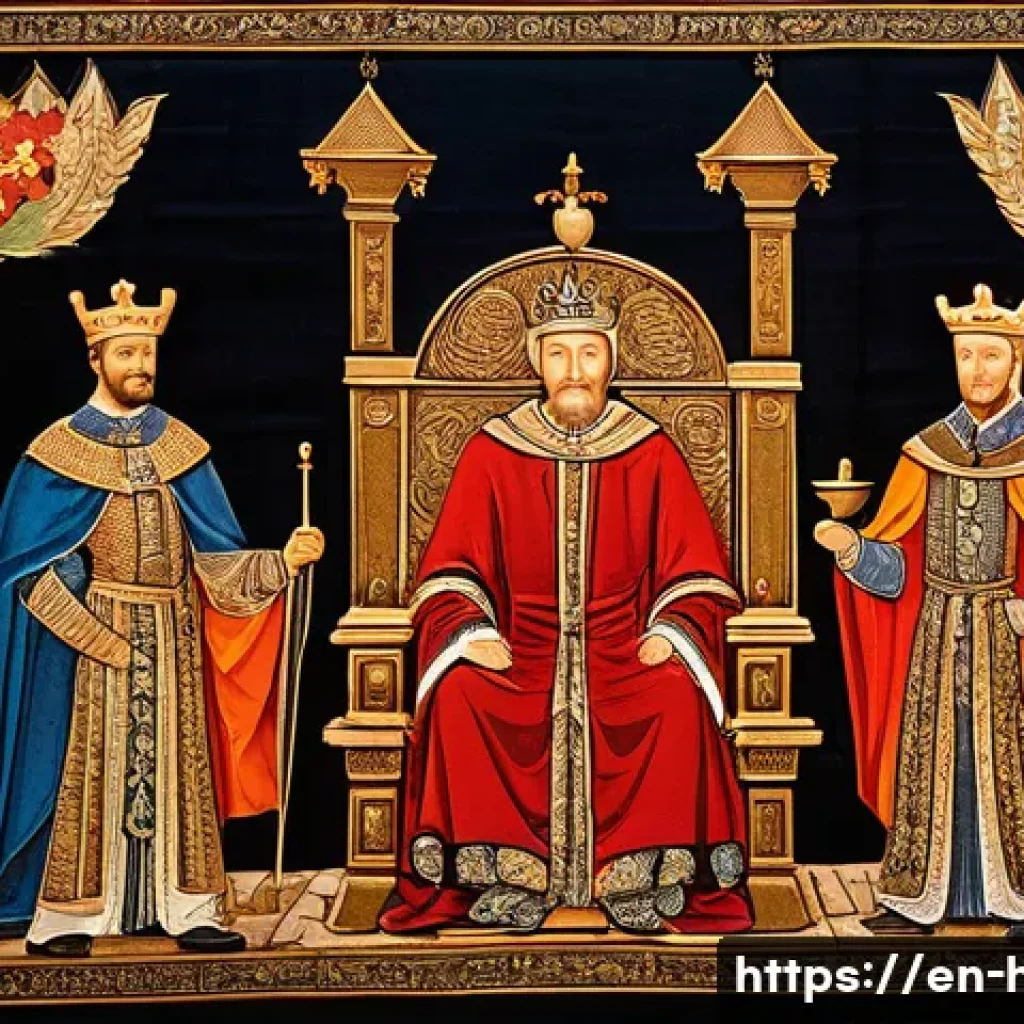
Crusader Kings offers a fascinating glimpse into medieval history through the lens of grand strategy gaming. While the game captures the complexity of dynastic politics and warfare, its historical accuracy sparks lively debates among enthusiasts and historians alike.
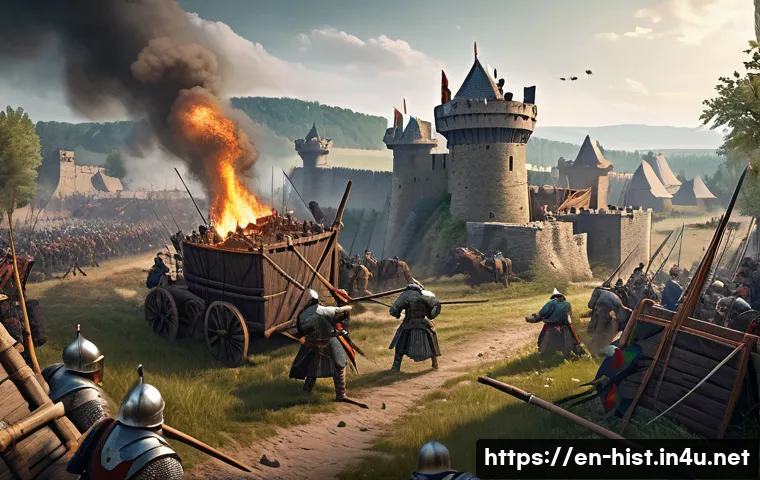
From authentic character traits to realistic political alliances, the developers strive to balance gameplay with historical detail. However, certain liberties are taken to enhance player engagement and narrative flow.
Understanding these nuances helps players appreciate both the rich tapestry of history and the creative design choices behind the game. Let’s dive deeper and explore how well Crusader Kings stands up to historical scrutiny!
The Art of Dynastic Intrigue in Crusader Kings
How Character Traits Shape Medieval Politics
One of the most captivating aspects of Crusader Kings is how each character comes with a unique set of traits that influence their decisions, alliances, and interactions.
Traits like “Ambitious,” “Deceitful,” or “Brave” aren’t just flavor text—they actively affect gameplay, shaping how your ruler or vassals behave. From personal ambition driving betrayals to loyalty cementing alliances, these traits mirror the unpredictable nature of medieval rulers.
I’ve noticed that playing a ruler with high diplomacy and kindness often leads to smoother relationships, but it also comes with the risk of being taken advantage of by more ruthless neighbors.
This nuanced personality system adds depth, making each playthrough feel personal and full of surprises.
The Role of Marriage and Alliances Beyond the Surface
Marriage in Crusader Kings isn’t just about love; it’s a strategic tool for political gain. Players can forge alliances or claim thrones through well-planned marriages, reflecting the historical reality where dynasties were often secured or expanded through matrimonial ties.
However, the game sometimes simplifies complex historical relationships for the sake of player control and narrative clarity. For example, you might find yourself able to arrange politically improbable marriages to suit your strategy.
Yet, this flexibility enhances the gameplay, allowing players to experiment with “what if” scenarios that history didn’t see, all while maintaining a believable medieval atmosphere.
The Balance Between Historical Fidelity and Player Freedom
Crusader Kings walks a tightrope between staying true to history and offering an engaging sandbox for players. The developers have embedded a wealth of historical events, characters, and cultural norms that provide an authentic backdrop.
Still, they’ve allowed enough leeway to encourage player creativity. For instance, you might witness an English king suddenly becoming the emperor of Byzantium—something unlikely in real history but thrilling in gameplay.
This balance means that while you’re learning about medieval power structures, you’re also crafting your own story, blending education with entertainment in a way few games manage.
Military Campaigns and Warfare: Accuracy vs. Gameplay
Feudal Levies and Realistic Army Management
The way Crusader Kings models military forces through feudal levies and retinues is impressively detailed. Players must manage vassals’ willingness to provide troops, which depends on relationships, laws, and the political climate.
This system reflects the decentralized nature of medieval armies, where a king couldn’t just raise a massive force at will. From personal experience, I found that neglecting vassal relations could lead to disastrous military shortages, forcing me to rethink my diplomacy before launching campaigns.
This mechanic encourages a more thoughtful approach to warfare, emphasizing the political over the purely tactical.
The Complexity of Siege Warfare and Battles
Siege warfare in Crusader Kings captures the slow, grinding nature of medieval conflict. Unlike fast-paced modern strategy games, sieges can drag on for months or even years, testing a player’s patience and strategic planning.
The game factors in supply, morale, and attrition, making every siege a multi-layered challenge. I recall a particularly tense siege where my forces were trapped in a prolonged stalemate due to dwindling supplies and rebellious vassals.
It’s this attention to detail that makes the military aspect feel realistic, even if some simplifications exist to keep the game playable.
The Impact of Religion on Warfare and Diplomacy
Religion is deeply entwined with warfare in Crusader Kings, often dictating alliances, wars, and conflicts. Crusades, jihads, and holy wars are major events that can reshape the political landscape dramatically.
This mirrors history, where religious motivations often fueled conflict, but the game also uses religion as a tool for player-driven narrative. For example, I’ve led a crusade that completely changed the map, something rarely achievable in a single lifetime historically but thrilling as a gameplay element.
The religious mechanics add another layer of complexity and realism to how medieval warfare and diplomacy unfold.
Culture and Religion: Shaping the Medieval World
Authenticity in Cultural Representation
Crusader Kings impresses by presenting a rich mosaic of medieval cultures, each with unique customs, languages, and societal norms. This cultural diversity affects everything from legal systems to marriage customs, adding complexity to managing your realm.
I’ve played as a Norse ruler and noticed how different succession laws and cultural expectations forced me to adapt my strategies compared to playing a French duke.
The developers have done an admirable job of weaving cultural details into gameplay, creating an immersive experience that feels grounded in historical realities.
Religious Institutions and Their Political Weight
The game’s portrayal of religious institutions—such as the Catholic Church or Orthodox Patriarchates—reflects their immense influence during the medieval period.
Players must navigate the power of the clergy, balancing piety with political ambition. I once found myself excommunicated after a power struggle with the Pope, which severely limited my diplomatic options and vassal loyalty.
These moments highlight how religion wasn’t just spiritual but a key political player, shaping alliances and conflicts in ways that Crusader Kings captures effectively.
The Challenge of Religious Conversion and Heresy
Religious conversion and the spread of heresies add dynamic layers to the game’s political landscape. Attempting to convert a region can shift loyalties and provoke rebellions, reflecting real historical tensions.
I’ve experimented with converting pagan provinces to Christianity, only to face uprisings that demanded delicate handling. This mechanic forces players to weigh the benefits of religious unity against the risks of unrest, adding strategic depth and historical flavor to the gameplay.
Governance Systems and Succession Laws
Understanding Feudal Hierarchies and Vassal Relations
The feudal system in Crusader Kings is modeled with considerable detail, emphasizing the complex web of loyalty between liege and vassal. Managing these relationships is crucial because unhappy vassals can rebel or withhold troops.
I learned firsthand that granting titles and lands strategically can keep your realm stable, while neglecting this balance leads to chaos. The game’s system encourages players to think like medieval rulers, juggling favors, marriages, and threats to maintain control.
Succession Laws and Their Real-World Inspirations
Succession laws in Crusader Kings—like primogeniture, elective monarchy, or gavelkind—reflect the diversity of medieval inheritance practices. Each law affects how power is transferred, with some leading to realm fragmentation while others promote stability.
I’ve played under elective monarchy, which made for intense political maneuvering, as nobles competed to place their preferred candidate on the throne.
This level of detail adds realism and forces players to consider long-term dynasty planning beyond mere conquest.
The Impact of Realm Management on Player Strategy
Effective realm management in Crusader Kings means balancing internal politics, economic resources, and military readiness. Players must juggle tax collection, infrastructure development, and vassal satisfaction simultaneously.
I often found that neglecting the economy led to weakened armies and vulnerability to rebellion. This interconnectedness makes governance a constant challenge, mirroring the multifaceted responsibilities medieval rulers faced.
Historical Events and Dynamic Storytelling
Incorporation of Real Historical Events
Crusader Kings includes a rich array of historical events—from the Norman Conquest to the Mongol invasions—that anchor the gameplay in real medieval history.
These events unfold dynamically, often influencing player decisions or forcing unexpected challenges. For example, I once faced the Mongol horde suddenly appearing on my eastern borders, reshaping my entire strategy.
This feature adds authenticity and unpredictability, making history feel alive rather than static.
Player-Driven Narrative Within Historical Frameworks
While grounded in history, Crusader Kings empowers players to write their own stories. Your choices can lead to outcomes wildly different from recorded history, creating unique narratives that feel personal and engaging.
I recall a game where a minor noble rose to become emperor, defying all odds—a story that felt more like a gripping novel than a strategy game. This blend of historical setting and player agency keeps the experience fresh and exciting.
The Role of Randomness and Emergent Gameplay
Random events and emergent gameplay elements introduce surprises that mimic the unpredictability of medieval life. From sudden deaths and assassinations to unexpected alliances, these moments force players to adapt constantly.
I’ve had entire dynasties nearly collapse due to a string of unfortunate events, which made eventual recovery all the more satisfying. This unpredictability mirrors the chaotic nature of history, enhancing immersion and replayability.
Visual and Audio Design: Immersion Through Atmosphere
Artistic Representation of the Medieval Era
The visual style of Crusader Kings, while not hyper-realistic, captures the essence of the medieval period with stylized maps, character portraits, and iconography.
The map’s parchment-like texture and vibrant colors evoke a sense of antiquity, helping players feel connected to the era. I find that this artistic choice balances clarity with immersion, making it easy to manage complex information without losing the historical vibe.
Soundtrack and Ambient Sounds Enhancing the Mood
The game’s soundtrack and ambient sounds play a crucial role in setting the tone. Medieval-inspired music, church bells, and battlefield noises create an atmosphere that pulls you into the world.
Personally, I’ve found that certain musical themes heighten tension during wars or celebrations, subtly influencing my emotional engagement with the game.
This audio design enriches the overall experience, making long sessions feel more alive and atmospheric.
The Importance of User Interface in Historical Strategy
Crusader Kings’ user interface is designed to handle complexity without overwhelming the player. Tooltips, event notifications, and clear menus guide players through intricate systems smoothly.
From my experience, a well-designed UI is essential for maintaining immersion, as it reduces frustration and helps focus on strategic decisions. The interface strikes a fine balance between historical detail and accessibility, which is vital for both newcomers and veterans alike.
| Aspect | Historical Accuracy | Gameplay Enhancement | Player Experience |
|---|---|---|---|
| Character Traits | Reflect diverse medieval personalities | Drive unique interactions and storylines | Creates personalized, unpredictable gameplay |
| Marriage & Alliances | Based on political marriages of the era | Flexible for player strategy and creativity | Enables dynamic diplomacy and power shifts |
| Military System | Represents feudal levies and siege warfare | Balancing realism with playability | Encourages strategic planning and adaptation |
| Religion & Culture | Accurate portrayal of medieval beliefs | Mechanics for conversion and religious wars | Adds depth and complexity to politics |
| Succession Laws | Based on historical inheritance systems | Varied mechanics for political intrigue | Challenges players in dynasty management |
| Historical Events | Incorporates real medieval milestones | Allows alternate history scenarios | Keeps gameplay fresh and unpredictable |
| Visual & Audio Design | Evokes medieval atmosphere authentically | Stylized art and thematic soundtrack | Enhances immersion and emotional impact |
Modding Community: Expanding Historical Horizons
User-Created Content and Historical Accuracy
One of Crusader Kings’ greatest strengths is its vibrant modding community, which often strives to increase historical accuracy or explore alternative timelines.
Mods can add new cultures, religions, or even entire historical periods, enriching the base game. I’ve tried mods that deepen the realism of succession laws or add detailed historical figures, which greatly enhanced my appreciation of medieval history.
This community effort keeps the game evolving and historically engaging beyond its original scope.
Balancing Mods with Core Gameplay
While mods can add realism, they sometimes complicate gameplay or unbalance systems. Players need to find a balance between historical depth and enjoyable mechanics.
From my experience, some mods require a steeper learning curve but reward players with richer narratives and challenges. Choosing the right mods depends on what you want from the game—whether it’s pure historical simulation or a more relaxed storytelling experience.
The Social Aspect of Modding and Shared Stories
Mods also foster a social dimension, connecting players through shared creations and stories. Forums and streaming communities often showcase unique campaigns enabled by mods, sparking discussions about history and game design.
I’ve enjoyed watching others’ modded playthroughs, which inspired new strategies and historical curiosity. This social engagement adds another layer of value to Crusader Kings, blending education, creativity, and community.
글을 마치며
Crusader Kings masterfully blends historical depth with player-driven storytelling, offering a rich and unpredictable medieval experience. Whether navigating intricate politics, managing dynasties, or leading military campaigns, the game invites creativity within an authentic framework. Its balance of realism and flexibility keeps every playthrough unique and engaging. This dynamic blend ensures that both history enthusiasts and strategy gamers find endless enjoyment and challenge.
알아두면 쓸모 있는 정보
1. Character traits in Crusader Kings significantly influence political and personal dynamics, shaping how your ruler and vassals behave throughout the game.
2. Marriages are powerful diplomatic tools that can secure alliances or claims, but they also offer room for creative, alternate historical scenarios.
3. Managing vassals and succession laws is crucial to maintaining realm stability, requiring careful planning and strategic delegation.
4. Religion not only affects diplomacy and warfare but also adds layers of complexity through conversion, heresy, and religious conflicts.
5. The active modding community enhances the game’s depth by introducing new historical content, alternate timelines, and gameplay tweaks, allowing tailored experiences.
핵심 포인트 요약
Crusader Kings offers a compelling mix of historical authenticity and player freedom, emphasizing the importance of personal traits, diplomacy, and strategic realm management. Its detailed military and religious systems deepen immersion, while dynamic historical events and emergent gameplay keep every session fresh. The game’s interface and audiovisual design support accessibility without sacrificing atmosphere. Lastly, the vibrant modding community continually expands the game’s horizons, ensuring long-term engagement and diverse play styles.
Frequently Asked Questions (FAQ) 📖
Q: How historically accurate is Crusader Kings when it comes to character traits and personalities?
A: Crusader Kings does a commendable job of reflecting the diversity of medieval personalities by assigning character traits that influence behavior and decisions.
These traits, such as ambition, bravery, or deceitfulness, often align with historical records or common stereotypes of the era’s nobility. However, since the game must balance realism with fun, some traits are simplified or exaggerated to create engaging gameplay.
From my experience, this approach adds depth without overwhelming players with overly complex psychological profiles, making the characters feel alive while still rooted in history.
Q: Does Crusader Kings realistically portray political alliances and dynastic struggles of the medieval period?
A: The game excels at simulating the tangled web of medieval politics, where marriages, betrayals, and shifting alliances were common tools for survival and expansion.
Crusader Kings mirrors this complexity by allowing players to forge alliances, arrange marriages, and even engage in intrigue or rebellion. While certain mechanics are streamlined for playability, the core dynamics reflect genuine historical patterns.
I’ve found that this blend of strategy and historical context offers a satisfying sense of authenticity, letting players experience the precarious nature of noble power firsthand.
Q: What historical liberties does Crusader Kings take, and why are they necessary?
A: To keep the game engaging, Crusader Kings occasionally bends historical facts—such as introducing anachronistic technologies, simplifying legal systems, or enabling unlikely outcomes like a commoner rising to royalty.
These liberties serve to enhance player agency and narrative freedom, ensuring that no two playthroughs feel identical. From what I’ve seen and played, these design choices are crucial because they prevent the game from becoming a rigid simulation and instead foster creative storytelling.
This balance between history and gameplay is what makes Crusader Kings so compelling to both casual gamers and history buffs alike.