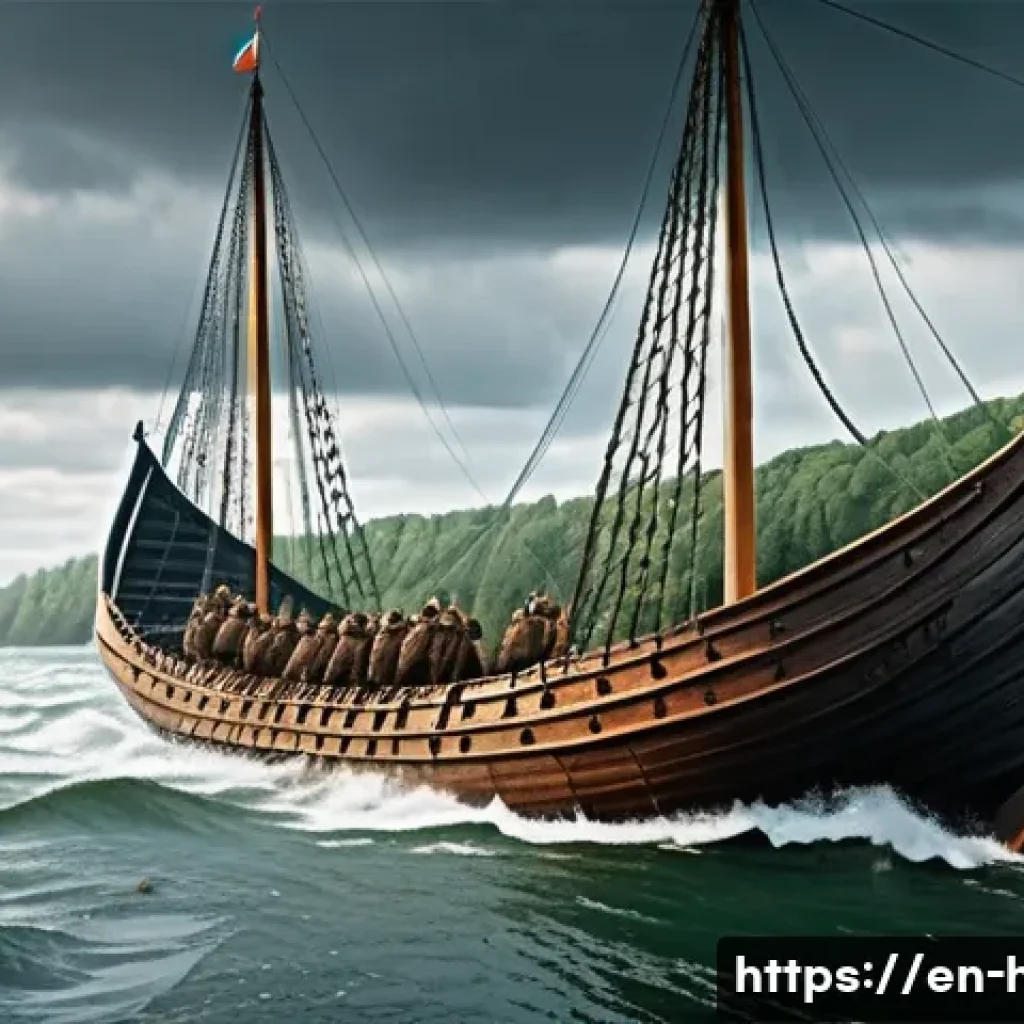
The Vikings have long fascinated historians and enthusiasts alike, not just as fierce warriors but as skilled explorers and traders who shaped medieval Europe in profound ways.
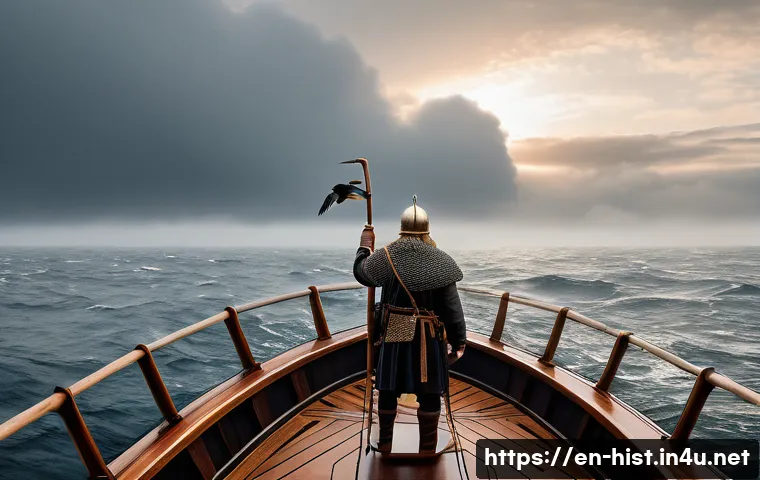
Their voyages across seas opened new routes for commerce and cultural exchange, influencing the political landscape of the time. Meanwhile, medieval Europe itself was a tapestry of kingdoms, religious upheaval, and evolving social structures that set the stage for the modern world.
Understanding the interplay between Viking expansion and medieval European development reveals a dynamic era full of conflict, innovation, and transformation.
Let’s dive deeper into this captivating chapter of history to uncover the remarkable stories behind these legendary times. I’ll guide you through it all with clarity and insight!
Seafaring Innovations and Navigational Mastery
Crafting the Ultimate Longship
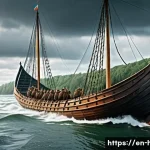
The Vikings’ mastery of shipbuilding was nothing short of revolutionary. Their longships, slender and flexible, could slice through both open ocean waves and shallow rivers with astonishing ease.
What stood out to me, after reading various firsthand accounts, was how these vessels balanced speed and durability. The clinker-built method—overlapping planks fastened with iron rivets—gave the ships resilience and lightness, enabling swift raids and long voyages alike.
Unlike the heavier Mediterranean ships, Viking longships could beach anywhere, allowing sudden landings that often caught opponents off guard. This design wasn’t just about warfare; it facilitated trade and exploration across vast distances, from the icy North Atlantic to the rivers of Eastern Europe.
Tools of the Navigator: Sunstones and Beyond
Navigating through unpredictable weather and endless horizons demanded more than just keen eyesight. The Vikings reportedly used sunstones, a type of crystal capable of polarizing light, to locate the sun’s position even on cloudy days.
While this might sound like folklore, recent scientific studies support the feasibility of this technique. Coupled with an intimate knowledge of ocean currents, wind patterns, and bird migration routes, Vikings developed a complex mental map of the seas.
They didn’t rely on compasses but instead on a mix of environmental cues and learned experience passed down through generations. I find this blend of natural observation and ingenuity fascinating—it’s a reminder that human innovation often comes from deep engagement with nature.
Rivers as Highways: Inland Exploration
It’s easy to think of Viking voyages as purely oceanic, but their ability to navigate rivers was equally critical. Longships were shallow enough to travel upriver, opening access to the heart of continental Europe and even into the vast networks of Eastern trade routes.
This inland mobility allowed Vikings to establish trade centers, interact with diverse cultures, and exert political influence far from their Scandinavian homelands.
The rivers were like the ancient equivalent of highways, and mastering their currents was essential. What’s striking is how this mode of travel blurred the lines between raiders and traders, since the same ships could be used for both purposes depending on the opportunity.
Trade Networks and Economic Influence
From Furs to Silver: Commodities in Demand
The Vikings were not just raiders; they were savvy traders who dealt in a wide range of goods. Furs, amber, and walrus ivory were highly sought after in markets stretching from the British Isles to the Byzantine Empire.
I’ve come across records indicating how silver—both in coin and bullion form—circulated extensively, serving as a currency and a symbol of wealth. The constant flow of these goods stimulated local economies and introduced new materials and wealth to regions that had previously been isolated.
Interestingly, the trade wasn’t always peaceful; sometimes it involved coercion or settlement, but it undeniably connected distant parts of Europe and beyond.
Trade Hubs: Marketplaces of Exchange
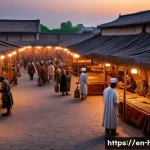
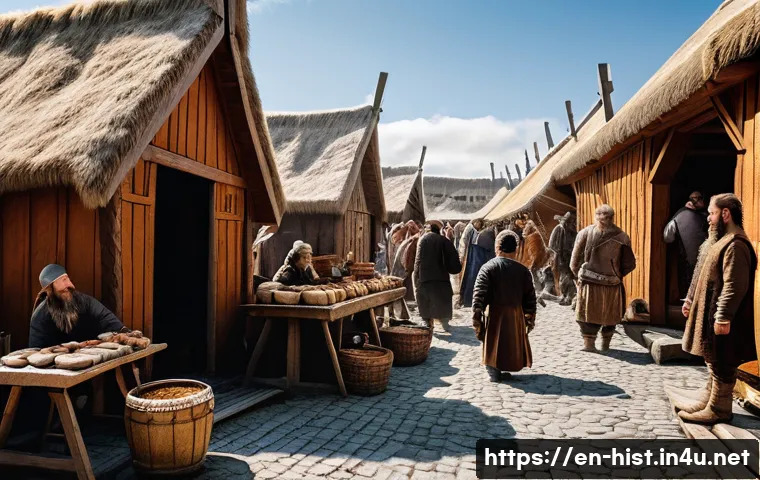
Centers such as Hedeby, Birka, and Jorvik emerged as bustling marketplaces where Vikings and locals mingled. These towns became melting pots of language, culture, and commerce.
Hedeby, for example, was strategically located near the Danish-German border, facilitating trade between Scandinavia and the rest of Europe. What I find intriguing is how these hubs adapted over time, evolving from seasonal gathering points into permanent settlements with complex social structures.
Archaeological digs reveal imported goods like Arabic coins and Islamic glassware, showing the surprising reach of Viking trade networks.
Economic Impact on Medieval Europe
The influx of Viking goods and silver had a ripple effect on medieval Europe’s economies. By introducing new wealth and fostering trade routes, Vikings inadvertently contributed to the rise of towns and a merchant class.
This economic diversification helped weaken the purely agrarian feudal system and encouraged monetary economies. It’s tempting to view Viking raids simply as destructive, but their commercial activities were pivotal in shaping economic transformations that would eventually lead to the Renaissance and the modern European economy.
Political Dynamics and Power Shifts
Viking Settlements and Kingdom Formation
When Vikings established permanent settlements, they didn’t just transplant their culture—they merged it with local traditions, giving rise to new political entities.
The Danelaw in England is a prime example where Norse law coexisted with Anglo-Saxon customs. This hybridization led to unique legal codes and power-sharing arrangements.
I’ve always been fascinated by how these settlements functioned as autonomous regions with their own governance but also as stepping stones for broader territorial control.
These developments significantly altered the political map of medieval Europe, sowing seeds for future nation-states.
Alliances, Conflicts, and Integration
Viking leaders were astute politicians who formed alliances through marriage, treaties, and sometimes brutal warfare. Their interactions with kingdoms such as Francia, Wessex, and the Kievan Rus created a complex web of diplomacy and conflict.
This dynamic wasn’t static; it evolved over decades as Vikings shifted from outsiders to integrated rulers or influential nobles. What stands out to me is the fluidity of identity during this period—Vikings could be both feared enemies and trusted allies, depending on the political context.
This adaptability helped them maintain relevance far beyond their initial raids.
Legacy in Medieval Political Institutions
The influence of Viking governance persisted even after their direct rule ended. Elements of Viking law, maritime codes, and military organization filtered into the medieval political framework.
For instance, the concept of the Thing, a governing assembly, inspired later parliamentary institutions in Scandinavia and beyond. The Vikings’ ability to blend martial prowess with administrative savvy contributed to the stabilization of regions once ravaged by conflict.
It’s a testament to how conquest can sometimes lead to lasting institutional innovation.
Religious Transformation and Cultural Exchange
From Paganism to Christianity
The gradual Christianization of the Viking world was a profound cultural shift. Initially resistant, many Vikings began adopting Christianity through contact with missionaries and political incentives.
This transition was not uniform; some clung to old beliefs for decades while others embraced the new faith quickly to solidify alliances or gain legitimacy.
I recall reading about how churches were often built on or near former pagan sacred sites, symbolizing both continuity and change. The religious conversion also facilitated integration with the broader Christian Europe, opening doors for diplomacy and cultural exchange.
Syncretism and Artistic Expression
Even as Vikings converted, they retained elements of their artistic heritage. This blending is evident in artifacts that combine Christian iconography with traditional Norse motifs.
Jewelry, runestones, and wood carvings from this era reflect a fascinating fusion of beliefs. I’ve personally marveled at the intricacy of Viking art, which tells stories of gods, heroes, and daily life while also showcasing new influences.
This syncretism highlights how cultures evolve by absorbing and reinterpreting external ideas rather than abandoning their roots entirely.
Impact on European Religious Landscape
The Viking conversion helped reshape the religious geography of northern Europe. As Norse rulers adopted Christianity, they supported the establishment of bishoprics and monasteries, which became centers of learning and literacy.
These institutions played key roles in preserving knowledge and promoting cultural cohesion. The process also accelerated the spread of Latin script and ecclesiastical law.
In many ways, the Vikings’ religious transformation contributed to the unification of Europe under a shared Christian identity, a development that would influence centuries of European history.
Social Structures and Everyday Life
Hierarchy and Roles within Viking Society
Viking society was surprisingly structured, with clear distinctions between nobles, freemen, and thralls (slaves). The chieftains wielded significant power but were also accountable to assemblies known as Things, where free men could voice opinions.
I find this early form of participatory governance intriguing, especially since it contrasts with the often autocratic systems in neighboring regions.
Women in Viking society also enjoyed more rights than in many contemporary cultures—they could own property, request divorces, and manage households. This nuanced social fabric challenges the simplistic image of Vikings as mere warriors.
Daily Life: Farming, Crafting, and Family
Beneath the warrior image, Vikings were farmers, craftsmen, and traders engaged in everyday routines. Their diets included barley, fish, and preserved meats, while weaving and metalwork were common household skills.
Archaeological finds reveal well-built homes and communal halls that fostered social bonds. Family ties were paramount, with kinship networks influencing everything from trade partnerships to political alliances.
I’ve often thought about how these ordinary aspects of life shaped the resilience and adaptability of Viking communities, making them more than just transient raiders.
Festivals and Cultural Traditions
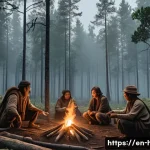
Festivals marked important seasonal and religious events, blending pagan customs with emerging Christian practices. Celebrations involved feasting, storytelling, and ritual sacrifices, fostering community cohesion and shared identity.
The oral tradition was strong, with skalds (poets) preserving history and legends through verse. I’ve always admired how storytelling served not only as entertainment but also as a means of transmitting cultural values and historical memory, ensuring that Viking heritage endured long after the swords were laid down.
Comparative Overview of Viking and Medieval European Elements
| Aspect | Vikings | Medieval Europe |
|---|---|---|
| Transportation | Longships designed for speed and shallow waters | Horseback, carts, and larger sea vessels |
| Governance | Chieftains and Things (assemblies) | Monarchies with feudal lords |
| Economy | Trade in furs, amber, silver; raiding as income | Agriculture-based with emerging towns and markets |
| Religion | Initially Norse paganism; gradual Christianization | Dominantly Christian with established Church hierarchy |
| Social Structure | Clear class divisions; notable rights for women | Rigid feudal classes; limited women’s rights |
| Art and Culture | Runic inscriptions, intricate metalwork, oral poetry | Manuscripts, Gothic architecture, scholasticism |
In Conclusion
The Vikings’ remarkable innovations in shipbuilding, navigation, and trade reshaped medieval Europe in profound ways. Their ability to adapt politically and culturally allowed them to move beyond mere raiders to influential settlers and traders. By blending tradition with new influences, they left a lasting legacy that continues to inspire curiosity and admiration today.
Useful Information to Keep in Mind
1. Viking longships were uniquely designed to navigate both open seas and shallow rivers, enabling versatile travel and quick raids.
2. The use of natural tools like sunstones shows how Vikings combined environmental knowledge with innovation for navigation.
3. Trade hubs like Hedeby and Jorvik were cultural melting pots that connected distant regions through commerce.
4. Viking settlements often merged Norse and local customs, influencing the political landscape of medieval Europe.
5. The gradual shift from paganism to Christianity played a crucial role in integrating Vikings into the broader European religious framework.
Key Takeaways
Understanding Viking history requires recognizing their dual roles as warriors and traders, innovators and settlers. Their advancements in maritime technology and navigation opened new routes for exploration and commerce. Politically, their flexible alliances and settlement strategies helped shape emerging medieval states. Culturally, the fusion of pagan traditions with Christianity enriched artistic and social life. Appreciating these complexities helps us see Vikings not just as fearsome raiders but as dynamic contributors to Europe’s development.
Frequently Asked Questions (FAQ) 📖
Q: How did Viking exploration impact medieval European trade and culture?
A: Viking exploration dramatically expanded trade networks across medieval Europe and beyond. Their longships enabled them to reach far-flung regions, from the British Isles to the Byzantine Empire and even North America.
This opened up new routes for exchanging goods like furs, metals, and spices, which invigorated local economies. Culturally, the Vikings acted as conduits for ideas, technologies, and customs, blending their traditions with those of the peoples they encountered.
From my reading and research, it’s clear that their influence helped shape the economic and cultural landscape of medieval Europe in lasting ways.
Q: Were Vikings only raiders, or did they contribute positively to medieval European society?
A: While Vikings are often remembered as fierce raiders, their role was far more complex. Beyond warfare, they were skilled traders, settlers, and craftsmen.
For example, they established towns like Dublin and York, which became important commercial hubs. Their governance systems and legal practices also influenced local societies where they settled.
Personally, exploring archaeological findings and historical accounts shows that Vikings contributed to urban development and cross-cultural integration, not just destruction.
Q: How did medieval European kingdoms respond to Viking incursions and settlements?
A: Medieval European kingdoms had varied responses to Viking activities, ranging from military resistance to strategic alliances. Initially, many kingdoms were caught off guard by Viking raids, leading to fortified defenses and military reforms.
Over time, some rulers negotiated with Viking leaders, granting land or titles to secure peace and benefit from their trade connections. In my experience studying these dynamics, this blend of conflict and cooperation illustrates how medieval Europe adapted to the Viking presence, ultimately influencing political boundaries and power structures.