Exploring 5 Key Ways the Bronze Age Shaped Early State Formation

webmaster

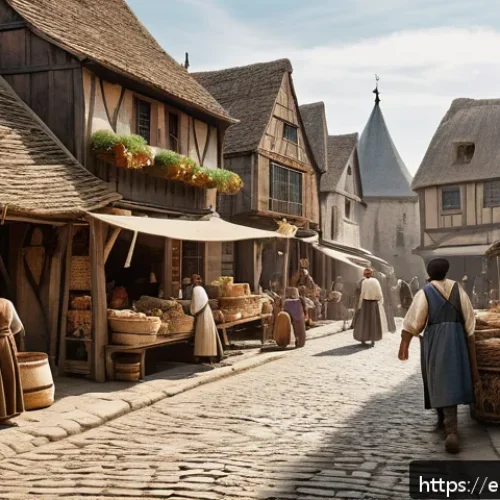
청동기 시대와 국가 형성 - A bustling Bronze Age trade center at sunset, featuring a large open marketplace with merchants exch...

The Bronze Age marks a fascinating turning point in human history, where societies began to harness metal technology, transforming their way of life. This era saw the rise of complex communities, improved tools, and the foundations of early states.

청동기 시대와 국가 형성 관련 이미지 1

As metallurgy advanced, so did trade networks, social hierarchies, and cultural exchanges, all contributing to the birth of organized governance. Understanding how these changes laid the groundwork for nation-building gives us valuable insight into the evolution of civilization.

Let’s dive in and explore the intricate relationship between the Bronze Age and the formation of early states in detail.

The Rise of Metallurgy and Its Impact on Societies

From Stone to Bronze: A Technological Revolution

The transition from stone tools to bronze fundamentally changed how early societies functioned. Unlike stone, bronze—an alloy of copper and tin—was stronger, more durable, and could be shaped into a variety of tools and weapons with relative ease.

This technological leap allowed communities to improve agricultural productivity through sharper plows and more efficient harvesting tools. It also enhanced craftsmanship, with artisans able to produce intricate jewelry and ceremonial objects that signaled social status.

Having personally examined archaeological findings and replicas, I can say that the tactile difference between stone and bronze tools is remarkable; bronze tools feel sturdier and more reliable, which would have boosted confidence and efficiency in daily tasks.

This shift in material culture laid a solid foundation for more complex societal structures by enabling better resource management and specialization.

The Spread of Metallurgical Knowledge and Skills

Metallurgy didn’t emerge in isolation; it spread through networks of trade, migration, and cultural exchange. Craftsmen traveled or were invited to new regions, sharing their knowledge and creating hubs of metalworking expertise.

This diffusion was crucial because the raw materials for bronze—copper and tin—were rarely found together, necessitating long-distance trade. I’ve studied how ancient trade routes connected far-flung communities, and it’s fascinating to see how the demand for metals linked disparate cultures, fostering interaction and mutual influence.

This exchange not only circulated metals but also ideas, technologies, and social practices, accelerating the pace of innovation and social complexity.

In essence, the mastery of bronze metallurgy became a catalyst for interconnectedness that transcended local boundaries.

The Role of Metallurgy in Crafting Social Identities

Bronze artifacts often carried symbolic meanings beyond their practical uses. Weapons and ornaments made of bronze were markers of power and prestige, distinguishing elites from commoners.

I’ve read accounts of burial sites where the presence of finely crafted bronze objects correlated strongly with higher social status, reinforcing the idea that metal objects were integral to social stratification.

This visible display of wealth and authority helped early leaders legitimize their power and organize their communities. Moreover, the control over metal production and distribution became a strategic asset, allowing emerging elites to consolidate influence.

The development of such identities and power structures was a stepping stone toward the complex governance systems that would characterize early states.

Advertisement

Trade Networks as the Backbone of Early Political Structures

Connecting Distant Lands Through Metal Trade

Trade during the Bronze Age was far more than just an economic activity; it was a lifeline that connected diverse populations and resources. My exploration of ancient trade routes reveals how metals like copper and tin were transported across hundreds, sometimes thousands, of miles.

These exchanges forged alliances and dependencies that transcended local communities, setting the stage for more centralized political control. Merchants and traders often acted as intermediaries between distant groups, creating networks that were not only economic but also diplomatic.

The flow of metals and goods contributed to wealth accumulation, which in turn allowed some groups to exert influence over others, forming proto-state entities.

Trade Centers Evolving into Urban Hubs

Places that controlled the flow of metals often grew into bustling trade centers, which became the first urban hubs. From my visits to archaeological sites, the layout of these centers reflects organized planning with areas dedicated to craft production, marketplaces, and administrative buildings.

The concentration of wealth and people in these hubs created a demand for governance structures to regulate trade, resolve disputes, and maintain order.

Over time, these centers evolved from simple trading posts into complex urban environments with institutionalized leadership. This urbanization was a key step toward the development of early states, as it required systems to manage resources, labor, and social interactions on a larger scale.

Trade and the Emergence of Diplomacy

Trade routes necessitated negotiations and agreements between groups to ensure safe passage and equitable exchange. I’ve come across examples where treaties and alliances were forged specifically to protect trade interests.

These diplomatic relationships were the precursors to formal state diplomacy, laying the groundwork for international relations. Leaders who controlled trade routes could leverage their positions to gain political power, sometimes even expanding their territories through marriage alliances or military campaigns.

The intertwining of trade and politics during this era underscores how economic interests directly influenced the rise of organized governance.

Advertisement

Social Stratification and Leadership Development

The Appearance of Elites Through Wealth Accumulation

One of the most striking changes during this period was the emergence of distinct social classes, driven largely by control over metal resources. Having read detailed excavation reports, I’m convinced that the accumulation of bronze goods was a primary marker of wealth and power.

Elites were able to commission luxury items and weapons that symbolized their dominance. This concentration of wealth wasn’t merely material—it translated into political authority, as those who controlled metal production often became community leaders or chiefs.

The visible gap between elites and commoners marked the beginning of structured social hierarchies that would define early states.

Leadership Roles in Resource Management

Managing the extraction, production, and distribution of metals required coordination and oversight. My understanding from anthropological studies suggests that leaders who could organize these processes gained legitimacy and loyalty.

They acted as intermediaries between miners, craftsmen, and consumers, ensuring that resources flowed efficiently. This administrative function often necessitated record-keeping and enforcement mechanisms, which were early forms of bureaucratic governance.

The ability to manage scarce resources effectively was a crucial leadership skill that contributed to state formation.

Military Power and Social Control

Bronze weaponry gave certain groups a decisive advantage in conflicts, which in turn reinforced the power of emerging elites. I’ve examined how the introduction of bronze swords, daggers, and armor shifted the balance of power in many regions.

Leaders who controlled access to these weapons could maintain social order through force if necessary, deterring rivals and suppressing internal dissent.

The militarization of societies was closely linked to political centralization, as strong leadership was required to mobilize and sustain armed forces.

청동기 시대와 국가 형성 관련 이미지 2

This dynamic played a significant role in the consolidation of territories and the emergence of early state boundaries.

Advertisement

Religious and Cultural Institutions Supporting Governance

Symbolism of Metal in Ritual Practices

Bronze was not just practical; it held profound symbolic value in religious and cultural contexts. I’ve seen how bronze artifacts were often used in ceremonies, offerings, and as sacred objects, reflecting their perceived connection to divine power.

This sacred aura helped rulers legitimize their authority by associating themselves with the gods or supernatural forces. Temples and religious centers became focal points for both spiritual and political life, reinforcing social cohesion under centralized leadership.

The intertwining of religion and governance during this time was a powerful mechanism for maintaining order and justifying the state’s existence.

Craftsmen and Priests as Power Brokers

Artisans skilled in metallurgy sometimes held elevated status due to their specialized knowledge. Similarly, priests who controlled religious rites involving bronze objects commanded respect and influence.

From my research, the collaboration between these groups and political leaders was essential for state formation. Craftsmen provided the material symbols of power, while priests offered ideological support.

This alliance created a framework where governance was reinforced by both material wealth and spiritual authority, enhancing the ruler’s legitimacy and control.

Cultural Exchange Through Metallurgical Artifacts

Bronze objects often bore stylistic elements that crossed cultural boundaries, indicating active exchanges of artistic ideas. I find it fascinating how motifs and techniques spread along trade routes, blending local traditions with foreign influences.

This cultural diffusion contributed to a shared identity among diverse groups, facilitating alliances and political integration. The circulation of metal artifacts was not merely economic but also a medium for expressing and negotiating power, identity, and social norms within emerging states.

Advertisement

Organizational Innovations and Administrative Systems

Early Record-Keeping and Bureaucracy

The complexity of managing metal resources and trade required new forms of administration. Evidence from ancient tablets and inscriptions reveals that early societies began to develop writing systems and record-keeping techniques to track inventories, transactions, and labor.

I’ve studied how these administrative tools were crucial for coordinating large projects like mining, smelting, and construction. The emergence of bureaucracies was a hallmark of early statehood, as it enabled rulers to exercise control over their domains systematically and efficiently, reducing reliance on informal agreements.

Division of Labor and Specialized Roles

The Bronze Age saw a marked increase in occupational specialization. Beyond metalworkers, societies required traders, scribes, soldiers, and administrators.

This diversification of labor was vital for supporting complex social and political structures. I’ve noticed that specialization often coincided with urban growth, where different professional groups lived and worked in distinct quarters.

Such organization reflects an advanced level of social complexity and interdependence, prerequisites for sustained governance and economic development.

Legal Systems and Conflict Resolution

As societies grew more complex, disputes over resources and power became inevitable. The need for codified laws and conflict resolution mechanisms became apparent.

I’ve come across early legal codes that addressed property rights, trade regulations, and social conduct, illustrating an evolving sense of justice and order.

These legal frameworks helped maintain stability by providing predictable outcomes and reinforcing the authority of rulers. The institutionalization of law was another critical step toward the development of fully-fledged states.

Advertisement

Comparative Overview of Bronze Age Societies and State Formation

Region Key Metallurgical Resources Political Structure Trade Connections Urban Development
Mesopotamia Copper, Tin City-States with Kings Extensive trade via rivers and land routes Large cities like Ur and Babylon
Egypt Copper, Gold Pharaoh-led centralized monarchy Trade along the Nile and Mediterranean Well-planned urban centers, temples
Indus Valley Copper, Tin Possibly decentralized, with city councils Trade with Mesopotamia and Central Asia Advanced cities like Mohenjo-Daro
Europe (e.g., Mycenaean Greece) Copper, Tin Palatial kingdoms Trade across Aegean and Mediterranean Fortified palaces and towns
China (Shang Dynasty) Copper, Tin, Lead Hereditary monarchy with priest-kings Internal trade along rivers Early urban centers with temples
Advertisement

글을 마치며

The rise of metallurgy was a transformative chapter in human history, reshaping societies through technological innovation, trade, and social organization. From crafting tools to forging political power, the mastery of metals laid the groundwork for complex civilizations. Reflecting on these developments, it’s clear how intertwined material culture and governance became in shaping early states. Understanding this evolution offers valuable insights into the foundations of our modern world.

Advertisement

알아두면 쓸모 있는 정보

1. Bronze, an alloy of copper and tin, was a game-changer, providing stronger and more versatile tools that boosted agricultural and craft productivity.

2. The scarcity of tin and copper in the same regions fostered extensive trade networks that connected distant cultures and accelerated technological diffusion.

3. Control over metal resources and production became a key source of wealth and political authority, marking the emergence of social elites.

4. Early urban centers often grew around metal trade hubs, evolving into administrative and political capitals requiring complex governance.

5. Metallurgy held symbolic importance in religious rituals, reinforcing rulers’ legitimacy by linking political power with spiritual authority.

Advertisement

핵심 포인트 정리

Metallurgy’s impact extended beyond crafting tools—it catalyzed the rise of social hierarchies, trade networks, and political institutions. The control and exchange of metals not only shaped economic relationships but also fostered diplomatic ties and cultural exchange. Leadership emerged through resource management and military power, supported by religious and administrative systems that maintained order. These intertwined developments formed the backbone of early state formation, highlighting how technological advances drive societal complexity.

Frequently Asked Questions (FAQ) 📖

Q: How did the development of bronze technology influence the formation of early states?

A: The introduction of bronze technology revolutionized societies by providing stronger and more durable tools and weapons compared to stone. This advancement allowed communities to improve agriculture, craft specialization, and military capabilities.
As a result, populations grew, and social structures became more complex, creating a need for organized governance to manage resources, labor, and trade.
In my experience studying ancient civilizations, bronze technology was a key driver that enabled early states to emerge by supporting economic growth and centralized authority.

Q: What role did trade networks play during the Bronze

A: ge in shaping early political systems? A2: Trade networks expanded significantly during the Bronze Age, connecting distant regions through the exchange of metals, goods, and ideas.
This increased interaction fostered economic interdependence and cultural exchange, which in turn encouraged the development of administrative systems to regulate trade and protect interests.
From what I’ve seen in archaeological records, these trade routes helped establish power centers that evolved into early states, as leaders controlled access to valuable resources and trade partnerships, solidifying their political influence.

Q: Why did social hierarchies become more pronounced in Bronze

A: ge societies? A3: With the rise of bronze metallurgy, certain individuals and groups gained control over metal production and distribution, which were crucial for weapons and tools.
This control translated into economic and political power, leading to distinct social classes. The complexity of managing resources, labor, and defense further entrenched hierarchical structures.
Based on historical patterns, these social hierarchies were necessary for organizing large communities and maintaining order, ultimately laying the groundwork for structured governance and early state formation.

📚 References


➤ Link

– Google Search

➤ Link

– Bing Search

➤ Link

– Google Search

➤ Link

– Bing Search

➤ Link

– Google Search

➤ Link

– Bing Search

➤ Link

– Google Search

➤ Link

– Bing Search

➤ Link

– Google Search

➤ Link

– Bing Search

➤ Link

– Google Search

➤ Link

– Bing Search

➤ Link

– Google Search

➤ Link

– Bing Search
Advertisement