Exploring 7 Surprising Differences Between Paleolithic and Neolithic Lifestyles

webmaster

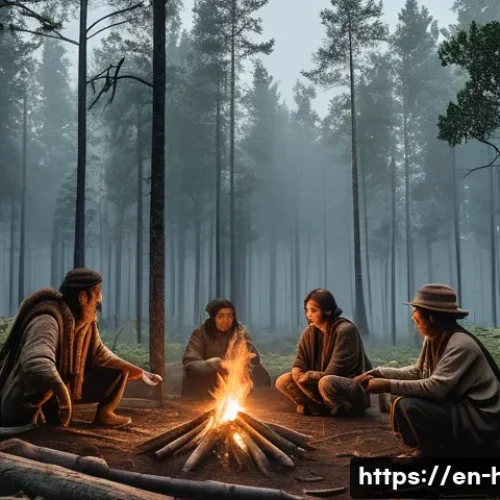
구석기와 신석기 시대 생활상 비교 - A detailed scene of a small Paleolithic hunter-gatherer group in a dense forest clearing at dawn, fe...

Life during the Paleolithic and Neolithic eras marks a fascinating journey of human development, showcasing remarkable shifts in how our ancestors lived, worked, and interacted with their environment.

구석기와 신석기 시대 생활상 비교 관련 이미지 1

From the nomadic lifestyle of early hunter-gatherers to the more settled agricultural communities, these periods highlight the evolution of technology, social structures, and survival strategies.

Exploring these differences not only helps us understand our roots but also reveals the foundations of modern civilization. If you’ve ever wondered how early humans adapted and thrived through these transformative times, you’re in the right place.

Let’s dive deeper and uncover the intriguing contrasts together!

Shifting Lifestyles: From Roaming to Settling Down

Nomadic Hunter-Gatherers and Their Daily Rhythms

Life in the Paleolithic era was defined by constant movement. Early humans followed animal herds and seasonal plants, traveling vast distances to find food.

This nomadic lifestyle required incredible adaptability and keen survival skills. Imagine waking up not knowing where your next meal will come from, relying on sharp hunting tools and deep knowledge of nature.

The social groups were small, often just a few families, allowing for quick decisions and flexible living. I’ve always been fascinated by how resourceful they had to be—building temporary shelters and crafting weapons from stones and bones with limited technology.

Their days were physically demanding, but they lived intimately connected to the environment, understanding its rhythms in a way modern life often disconnects us from.

Emergence of Agriculture and Permanent Settlements

Contrast that with the Neolithic era, where people began to cultivate crops and domesticate animals. This shift from foraging to farming marked a huge leap in human history.

Settling down meant building permanent homes, developing villages, and creating storage for surplus food. It’s interesting how this stability brought about new social dynamics, like the division of labor and emerging leadership roles.

I’ve read accounts of early farmers experimenting with different crops and irrigation techniques, which must have taken a lot of trial and error. Settling also encouraged the development of pottery, weaving, and more sophisticated tools, making life more efficient but also more complex.

The connection to the land deepened, but daily life required new skills, patience, and cooperation.

Advertisement

Technological Breakthroughs That Defined the Ages

Stone Tools: Simplicity Meets Functionality

During the Paleolithic period, technology was all about survival essentials. Stone tools were crafted by chipping flint to create sharp edges for cutting, scraping, and hunting.

These tools, though basic by today’s standards, were revolutionary then. What really strikes me is the ingenuity behind these inventions—turning a simple rock into a weapon or tool that could change the odds in a hunt.

These early humans also used fire, which provided warmth, protection, and a way to cook food, fundamentally improving their quality of life. The technology was minimal but critical, supporting their mobile lifestyle and immediate needs.

Neolithic Innovations: Crafting a New Way of Life

With the Neolithic revolution came a burst of technological creativity. Polished stone tools replaced the rougher Paleolithic versions, making farming and construction easier.

The invention of the plow and the wheel transformed agriculture and transport, boosting productivity and trade. Pottery emerged for food storage, allowing communities to keep surplus harvests safe for longer periods.

I’ve always found the transition to metalworking fascinating too—copper and later bronze started to appear, signaling the dawn of new eras. These advancements weren’t just about tools; they reshaped societies by enabling larger populations and more complex economies.

Advertisement

Social Structures and Community Dynamics

Small, Egalitarian Bands of the Paleolithic

In the Paleolithic era, social life was likely quite egalitarian. Groups were small, and decisions were probably made collectively or by elders. Everyone had a role—hunters, gatherers, caretakers—but there wasn’t much hierarchy.

The survival of the group depended on cooperation and sharing, which created strong bonds. From what I gather, this lifestyle fostered equality, as no one could hoard resources or dominate others given the scarcity and mobility.

It’s a sharp contrast to later times, and it’s humbling to think how much trust and teamwork was essential for their day-to-day existence.

Growing Complexity in Neolithic Societies

The Neolithic period saw the rise of larger communities with more defined social roles. As people settled and accumulated resources, social stratification began to appear.

Leaders or chiefs might have emerged to organize labor, defend the village, or oversee religious ceremonies. I find it intriguing how property ownership and inheritance probably started during this time, planting the seeds for social inequality.

Trade networks expanded, connecting distant groups and encouraging cultural exchanges. This complexity made life more stable but also introduced new challenges like conflict and social competition.

Advertisement

Diet and Food Procurement: From Wild to Cultivated

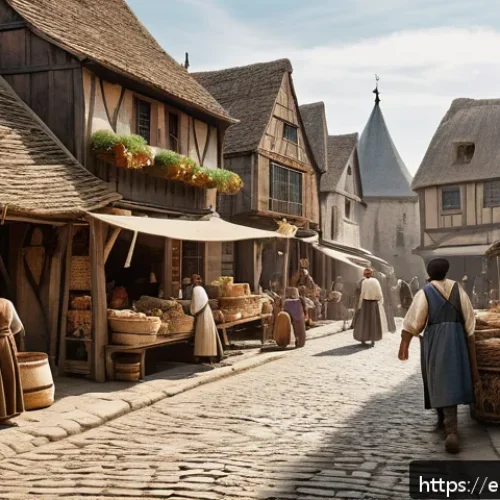
구석기와 신석기 시대 생활상 비교 관련 이미지 2

Foraging and Hunting: The Paleolithic Plate

Early humans’ diets were incredibly diverse but depended entirely on what nature provided. Hunting large game, fishing, and gathering fruits, nuts, and roots made up their meals.

I’ve read about the varied diets based on geography—coastal groups ate shellfish and fish, while inland groups hunted mammals and collected wild grains.

Their eating habits were opportunistic and seasonal, requiring deep knowledge of edible plants and animal behaviors. Cooking over open fires added flavor and nutrition, but food insecurity was a constant threat.

Farming and Domestication: The Neolithic Shift

The Neolithic revolution introduced cultivated grains like wheat and barley, along with domesticated animals such as sheep, goats, and cattle. This meant more predictable food supplies and the ability to store surplus.

I imagine the satisfaction of harvesting crops you planted months earlier was a game-changer for human confidence and planning. However, reliance on farming also made communities vulnerable to droughts and crop failures.

This era also saw the development of food processing techniques, such as grinding grains into flour and fermenting beverages. The shift in diet also influenced health, with some evidence suggesting both benefits and drawbacks compared to hunter-gatherer nutrition.

Advertisement

Art and Spiritual Expression in Early Human Life

Symbolism and Creativity in the Paleolithic

Paleolithic humans expressed themselves through cave paintings, carvings, and primitive sculptures. These artworks, often depicting animals and hunting scenes, suggest a deep spiritual connection with the natural world.

I’ve always been captivated by how these early artists used natural pigments and simple tools to create vivid images that have lasted thousands of years.

It seems art was intertwined with rituals, hunting magic, or storytelling, reflecting beliefs and communal identity despite their nomadic lifestyle.

Neolithic Religious Practices and Monuments

With settled life came more organized spiritual systems. The Neolithic period gave rise to megalithic structures like Stonehenge and elaborate burial sites, indicating complex rituals and a focus on ancestors or deities.

Communities likely held ceremonies tied to agricultural cycles, seasons, and fertility. I find it fascinating how these practices helped bind communities together and establish social order.

The construction of such monuments also implies advanced planning, cooperation, and shared beliefs that went beyond survival needs.

Advertisement

Comparative Overview of Paleolithic and Neolithic Lifestyles

Aspect Paleolithic Era Neolithic Era
Lifestyle Nomadic hunter-gatherers, small groups Settled agricultural communities, larger populations
Technology Flint tools, fire use, simple shelters Polished stone tools, pottery, plow, wheel
Social Structure Egalitarian bands, shared resources Hierarchical roles, property ownership
Food Wild plants and animals, seasonal diet Cultivated crops, domesticated animals, food storage
Art and Culture Cave paintings, carvings, spiritual symbolism Megaliths, organized rituals, complex religious beliefs
Advertisement

Conclusion

Reflecting on the transition from nomadic to settled lifestyles reveals how human innovation and adaptability shaped our history. The move to agriculture and permanent communities brought both new opportunities and challenges, transforming social structures and daily life. Understanding these shifts helps us appreciate the complexity and resilience of early human societies.

Advertisement

Useful Information to Remember

1. The Paleolithic lifestyle was highly mobile, relying on hunting and gathering with simple stone tools and fire for survival.
2. The Neolithic era introduced farming, domestication, and permanent settlements, leading to more complex social roles and technological advances.
3. Early humans expressed spiritual and cultural ideas through art, from cave paintings to megalithic monuments.
4. The development of agriculture created food surpluses, enabling population growth but also new social inequalities.
5. Technological breakthroughs such as the plow, pottery, and metalworking fundamentally changed human productivity and community life.

Advertisement

Key Takeaways

The shift from roaming hunter-gatherers to settled farmers marks a critical turning point in human history. It brought advances in technology, social organization, and culture but also introduced new vulnerabilities and complexities. Recognizing this evolution highlights the enduring human spirit of innovation and cooperation that continues to influence our world today.

Frequently Asked Questions (FAQ) 📖

Q: What were the main lifestyle differences between people in the Paleolithic and Neolithic eras?

A: In the Paleolithic era, people lived as nomadic hunter-gatherers, constantly moving to follow animal herds and seasonal plants. Their survival depended on hunting, fishing, and foraging.
On the other hand, Neolithic communities began settling down, developing agriculture and domesticating animals. This shift allowed them to build permanent homes, form villages, and create more complex social structures.
From my experience reading archaeological studies, this transition was a game-changer that set the stage for modern society.

Q: How did technological advancements impact human life during these periods?

A: Technological progress was significant in both eras but differed in focus. Paleolithic humans crafted stone tools mainly for hunting and processing food, while in the Neolithic era, toolmaking became more sophisticated with polished stone tools, pottery, and weaving.
These innovations boosted food production and storage, which led to population growth and trade. I find it fascinating that such early inventions directly influenced how communities interacted and thrived.

Q: Why is understanding the shift from Paleolithic to Neolithic important for us today?

A: Understanding this transition helps us grasp the roots of many aspects of modern life, including agriculture, settlement, and social organization. It reveals how humans adapted to environmental challenges by innovating and cooperating.
Personally, I think reflecting on these changes reminds us how resilience and creativity are timeless human traits, encouraging us to appreciate our past and apply those lessons to current challenges.

📚 References


➤ Link

– Google Search

➤ Link

– Bing Search

➤ Link

– Google Search

➤ Link

– Bing Search

➤ Link

– Google Search

➤ Link

– Bing Search

➤ Link

– Google Search

➤ Link

– Bing Search

➤ Link

– Google Search

➤ Link

– Bing Search

➤ Link

– Google Search

➤ Link

– Bing Search

➤ Link

– Google Search

➤ Link

– Bing Search
Advertisement