In a world still recovering from recent global challenges, reflecting on history’s transformative moments offers valuable insights. The Black Death, one of the deadliest pandemics in history, didn’t just bring devastation—it fundamentally altered Europe’s economic landscape.
This pivotal event sparked a wave of innovation and social change that reshaped societies in ways we’re still uncovering today. Join me as we explore how this dark chapter led to unexpected opportunities, laying the groundwork for a new era of progress and creativity.
You’ll be surprised how much this 14th-century crisis echoes in our modern world.
The Shift in Labor Dynamics and Social Power
From Scarcity to Worker Leverage
The dramatic population loss caused by the Black Death flipped the labor market on its head. Suddenly, with so many workers gone, those who survived found themselves in a position of unexpected power.
Landowners and employers, desperate to keep farms and workshops running, had to offer better wages and more favorable conditions. This shift broke the long-standing feudal grip where serfs were bound to the land and subject to their lords’ demands.
For the first time in centuries, peasants could negotiate terms or even migrate to seek better opportunities. The labor shortage effectively turned workers into a scarce resource, reversing the usual power imbalance in medieval Europe.
The Rise of Wage Economy and Mobility
As serfdom weakened, a wage-based economy began to take root. Workers no longer had to rely solely on subsistence farming or rigid feudal obligations.
Instead, they could sell their labor for cash, allowing more freedom and choice. This newfound economic mobility encouraged people to move to towns and cities, fueling urban growth and diversification of industries.
Craftsmen, merchants, and laborers all benefited from this fluid environment, which in turn stimulated local economies. This period marks the early seeds of a market-driven economy, setting the stage for future economic systems based on supply and demand.
Decline of Feudalism and Social Restructuring
The upheaval in labor relations contributed to the gradual erosion of the feudal system itself. Lords found it increasingly difficult to enforce old customs when peasants demanded rights or fled their estates.
This crisis forced the nobility to negotiate and sometimes codify new agreements, leading to more contractual relationships instead of inherited obligations.
The social hierarchy became less rigid, allowing for some upward mobility that was previously unimaginable. This restructuring was a critical turning point, as it began to blur the lines between classes and paved the way for modern social structures.
Innovation in Agriculture and Technology
Adoption of New Farming Techniques
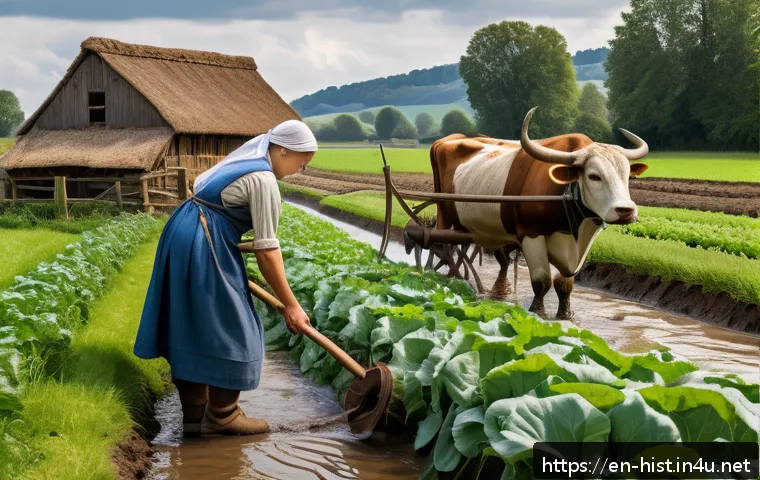
With fewer hands to tend the land, medieval farmers were pushed to innovate or face decline. This pressure accelerated the adoption of more efficient farming methods, such as crop rotation and the use of heavier plows.
These techniques boosted productivity per worker, making it possible to maintain or even increase food output despite the reduced population. Some estates experimented with new crops better suited to the changing environment and labor availability, which helped stabilize local food supplies and supported growing urban populations.
Mechanization and Tools Improvement
The scarcity of labor also led to increased interest in mechanization. Watermills and windmills became more widespread, replacing manual labor for grinding grain or pumping water.
These tools not only saved time but also reduced dependence on human muscle, which was in short supply. Craftsmen began to refine and produce better-quality tools, allowing farmers to work more land with less effort.
This gradual mechanization laid important groundwork for the agricultural revolutions that would come centuries later.
The Role of Innovation in Economic Recovery
Innovation wasn’t limited to agriculture alone. The crisis inspired creative approaches in trade, finance, and manufacturing. For example, some merchants developed more sophisticated credit systems to deal with the disruptions in supply chains.
Guilds adapted to new economic realities by expanding their influence and regulating quality and production standards. These changes helped economies rebound faster than expected, illustrating how necessity can drive progress even in the darkest times.
Transformation of Urban Centers and Commerce
Population Shifts and Urban Growth
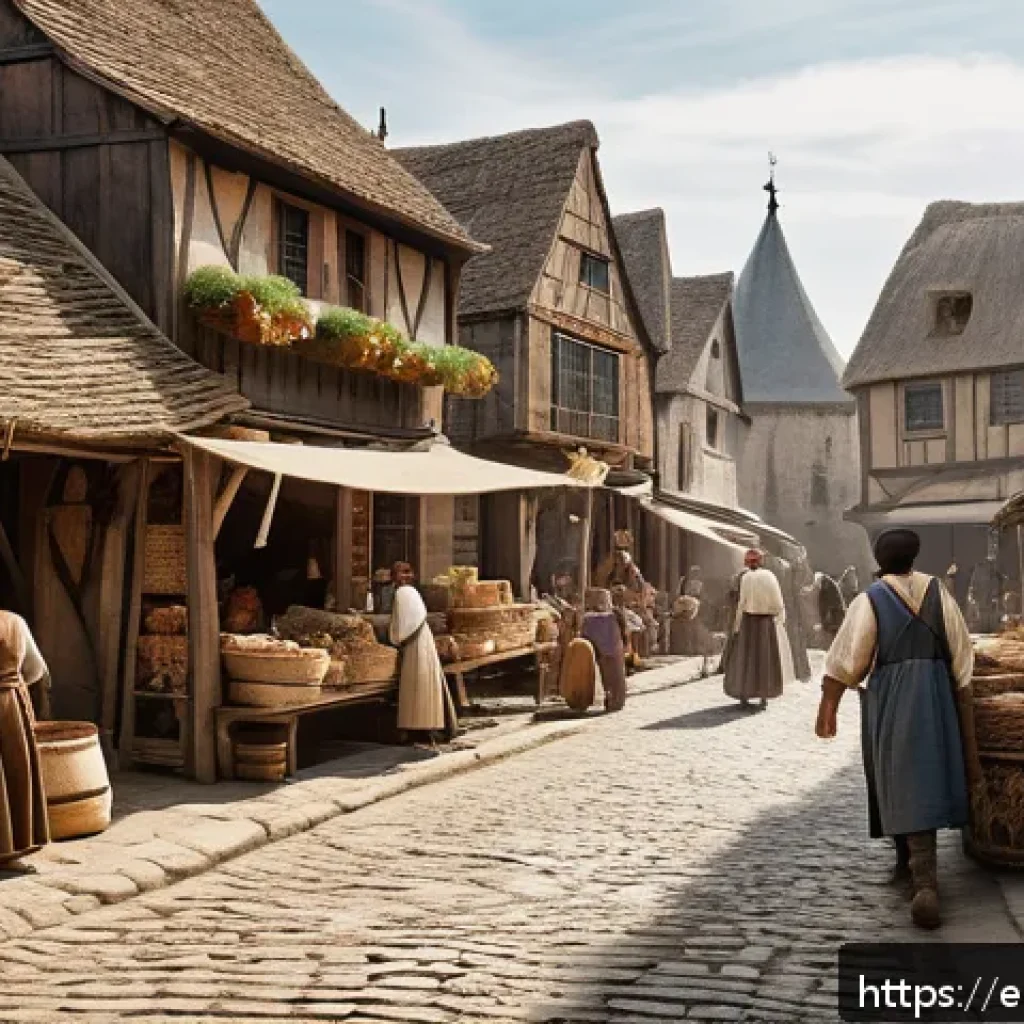
As rural populations declined, many survivors sought better opportunities in towns and cities, accelerating urbanization. This influx fueled demand for goods and services, encouraging the growth of marketplaces, workshops, and commercial networks.
Cities became hubs of economic activity, innovation, and cultural exchange, creating vibrant environments where new ideas could flourish. Urban centers also gained political clout, challenging traditional rural-based feudal powers.
Expansion of Trade Networks
The economic shifts prompted merchants to expand trade routes both within Europe and beyond. Despite the turmoil, demand for luxury goods and essentials remained strong, pushing traders to explore new markets and establish more reliable supply lines.
Innovations in accounting and shipping helped manage the increased complexity of these networks. This period saw the early development of international trade practices that would later blossom into the global commerce systems we know today.
The Rise of Financial Instruments and Institutions
The economic disruption accelerated the development of financial tools like bills of exchange, promissory notes, and early banking institutions. These innovations helped merchants and entrepreneurs manage risks and liquidity more effectively.
Cities like Florence, Venice, and Genoa became financial centers, pioneering practices such as double-entry bookkeeping. These advancements not only facilitated commerce but also contributed to the rise of capitalist economies in later centuries.
Shifts in Land Ownership and Wealth Distribution
Redistribution of Estates
The massive death toll led to a significant redistribution of land. Many estates were left without heirs, allowing nobles and even commoners to acquire property and wealth.
This process disrupted the traditional concentration of land in aristocratic hands and created opportunities for new wealth accumulation. Some ambitious peasants and merchants managed to buy land, blurring the lines between social classes and fostering a more dynamic economic environment.
Decline in Land Value and Rise of Alternative Assets
With fewer people to work the land, its value dropped in many regions, making it less attractive as the sole form of wealth. This encouraged investment in other assets, such as urban property, businesses, and trade ventures.
The diversification of wealth holdings marked a departure from the strictly agrarian economy and introduced new pathways to prosperity. Over time, this trend contributed to the emergence of a more complex economic structure with multiple sources of income.

Changing Role of the Nobility
The nobility had to adapt to these new economic realities. Many shifted focus from purely land-based income to involvement in commerce, finance, and politics.
Some became patrons of the arts and education, investing in cultural capital that enhanced their prestige in a changing world. This evolution reshaped the identity and influence of the aristocracy, linking them more closely to the emerging capitalist economy and modern state structures.
Impact on Population and Consumer Behavior
Demographic Shifts and Consumption Patterns
The sharp decline in population changed not just production but also consumption. With fewer mouths to feed, demand patterns shifted, and markets adjusted accordingly.
People began to consume higher-quality goods and diversify their diets, as scarcity lessened in certain areas. This change stimulated artisans and producers to innovate and cater to evolving tastes, laying the foundation for a consumer culture that prized variety and quality.
Growth of a Middle Class
The economic upheaval helped expand the ranks of the middle class, composed of merchants, skilled workers, and professionals. This group had disposable income and a desire for goods that reflected their rising status.
Their consumption habits influenced production trends, encouraging specialization and craftsmanship. The middle class also became a powerful social force, advocating for political and economic reforms that further transformed European society.
Long-term Demographic Recovery and Economic Stability
Although the population took over a century to recover fully, the changes in behavior and economic structure during and after the Black Death contributed to more resilient and diversified economies.
The experience taught societies to adapt to shocks, invest in human capital, and develop flexible economic institutions. These lessons resonated through later crises and helped shape the modern economic landscape.
Summary of Key Economic Changes Post-Black Death
| Aspect | Before Black Death | After Black Death |
|---|---|---|
| Labor Market | Abundant labor; serfdom dominant | Labor scarcity; increased wages; worker mobility |
| Economic Structure | Feudal, agrarian-based | Emerging wage economy; diversified industries |
| Land Ownership | Concentrated in aristocracy | Redistributed; rise of new landowners |
| Urbanization | Limited urban growth | Rapid urban expansion and trade growth |
| Technology | Traditional farming tools | Adoption of mechanization and innovations |
| Finance | Basic local trade | Development of banking and financial instruments |
Legacy and Lessons for Today’s Economic Challenges
Resilience Through Adaptation
One of the most striking takeaways from the Black Death’s economic aftermath is how societies adapted under pressure. The necessity of survival pushed communities to rethink old systems and embrace innovation.
This resilience is a powerful reminder for modern economies facing global disruptions—flexibility and creativity are key to recovery.
Empowering the Workforce
The pandemic highlighted the critical role of labor and how empowering workers can lead to broader societal benefits. The shift toward better wages and rights contributed to social stability and economic growth.
Today’s discussions around worker rights and fair compensation echo these historic lessons, underscoring the importance of balancing economic forces.
Innovation as a Catalyst for Growth
From agriculture to finance, innovation sparked by crisis fueled long-term progress. Embracing new technologies and financial models helped rebuild economies stronger than before.
This pattern continues to be relevant, as modern societies harness technology and creativity to navigate challenges and seize opportunities.
Conclusion
The economic transformations following the Black Death reveal how crisis can drive profound change. Societies that adapted through innovation, empowered labor, and embraced new economic structures laid the foundation for modern growth. These historical lessons remind us that resilience and flexibility remain vital in facing today’s challenges.
Useful Information
1. The labor shortages after the Black Death shifted power to workers, leading to better wages and mobility.
2. Innovations in farming and technology helped maintain productivity despite fewer available workers.
3. Urban centers expanded rapidly, becoming hubs for trade, finance, and cultural exchange.
4. Redistribution of land and wealth challenged old hierarchies and encouraged economic diversification.
5. The rise of financial institutions and new economic practices accelerated recovery and growth.
Key Takeaways
The post-Black Death era highlights the importance of adapting social and economic systems in response to major disruptions. Empowering the workforce, investing in innovation, and diversifying economic activities proved essential for sustainable recovery. These principles continue to offer valuable guidance for managing modern economic uncertainties and fostering long-term stability.
Frequently Asked Questions (FAQ) 📖
Q: How did the Black Death influence Europe’s economy in the long term?
A: The Black Death caused a massive reduction in Europe’s population, which led to a severe labor shortage. This scarcity of workers gave peasants and laborers more bargaining power, resulting in higher wages and better living conditions for many.
Landowners were forced to innovate and shift from labor-intensive farming to more efficient practices. Additionally, this disruption accelerated urbanization and the growth of trade, laying the foundation for the Renaissance and modern capitalism.
So, while the immediate impact was tragic, the economic changes that followed were transformative and set Europe on a path toward greater prosperity.
Q: What social changes emerged in Europe after the Black Death?
A: The social fabric of Europe was deeply shaken. Traditional feudal hierarchies weakened as serfs demanded and often gained freedoms, thanks to the increased value of labor.
There was also a rise in social mobility that had been rare before. Moreover, the massive death toll led to a cultural shift—people began questioning old beliefs and authorities, including the Church, which struggled to explain the catastrophe.
This questioning spurred intellectual movements and helped usher in the Renaissance. In short, the Black Death acted as a catalyst for breaking down old social structures and encouraging new ways of thinking.
Q: Can we draw parallels between the Black Death and modern pandemics in terms of societal impact?
A: Absolutely. Just like the Black Death, recent pandemics such as COVID-19 have exposed vulnerabilities in economies and societies, forcing rapid adaptation.
We see changes in work patterns, with remote work becoming mainstream, and a renewed focus on healthcare infrastructure. Similarly, crises often accelerate technological innovation and social change.
The Black Death teaches us that while pandemics bring hardship, they also open doors to rethink and rebuild society in more resilient and equitable ways.
My personal observation is that history offers a hopeful reminder: from devastation can emerge progress and renewal.