The European Union. Just saying those words conjures up images of unity, intricate policies, and a monumental economic force that has truly shaped the modern world.
When I think about how Europe moved from devastating conflicts to such an intertwined economic and political alliance, it’s genuinely mind-boggling, and honestly, a testament to human ingenuity and foresight.
Born from the ashes of war, the EU began as a simple idea with the European Coal and Steel Community in 1951, evolving into the European Economic Community in 1958, and then the full-fledged EU in 1993 with the Maastricht Treaty.
It’s a journey that transformed a war-torn continent into one of the largest economies globally, currently boasting over 450 million people and a GDP of around €17.935 trillion as of 2024.
But let’s be real, it’s not all smooth sailing, is it? While we’ve seen incredible benefits from this integration – think free movement of goods, services, capital, and people – the economic landscape is always shifting.
Looking at 2025, the European Commission is projecting moderate growth for the EU economy, around 1.1% for the EU and 0.9% for the Euro area, with inflation expected to decline.
However, there are significant headwinds like global trade tensions, geopolitical instability, and the massive undertaking of the European Green Deal, which aims for climate neutrality by 2050 but requires substantial investment – an estimated €260 billion annually.
There’s also the ongoing impact of the Digital Markets Act, which, while aiming for fairer competition, is definitely shaking things up for big tech and could even impact innovation and competitiveness.
From what I’ve personally observed, these ambitious policies, while necessary, create a fascinating push-and-pull dynamic within the EU’s economic framework.
It makes you wonder how these current trends will really play out for businesses and consumers across the continent in the coming years. Let’s dive deeper and truly get to grips with what this all means!
Navigating the Shifting Sands: The EU’s Economic Compass for 2025
It’s genuinely fascinating, isn’t it, to watch how such a massive economic bloc like the EU constantly recalibrates its course amidst global turbulence?
As we edge closer to 2025, the buzz around the European Commission’s projections for moderate growth is something I’ve been following closely. They’re talking about around 1.1% for the EU and a slightly tighter 0.9% for the Euro area, and honestly, after the rollercoaster we’ve been on, that feels like a cautiously optimistic sigh of relief.
What I’ve come to understand is that this isn’t just a dry set of numbers; it reflects countless small businesses hoping for stability, families managing their household budgets, and governments trying to balance their books.
It’s a delicate dance, always. My take? It signals a period where resilience will be key, and while we might not see explosive growth, steady progress is absolutely achievable, especially if we collectively lean into the opportunities ahead.
It really makes you think about how every little policy tweak can ripple through such a vast and interconnected system.
The Moderate Growth Trajectory
When you dig a little deeper into this moderate growth projection, what really stands out is the underlying sentiment. It’s not about hitting grand slam home runs, but rather consistently getting on base and moving runners along.
Personally, I’ve noticed a real emphasis on strengthening internal markets and fostering innovation within existing structures rather than relying solely on external demand.
This inward focus, I believe, is a smart play given the unpredictable global trade climate. We’re talking about a strategy that prioritizes stability and sustainable progress over rapid expansion, which, let’s be honest, can sometimes be fleeting.
It’s about building a solid foundation brick by brick, ensuring that when the inevitable storms hit, the structure is robust enough to weather them. For businesses, this means a likely emphasis on efficiency, targeted investments, and adapting to evolving consumer behaviors within the Union.
I’ve heard from many small business owners across the EU who are less concerned with booming overnight success and more focused on steady, predictable growth that allows them to plan for the long term.
This aligns perfectly with the Commission’s outlook.
Inflation’s Gentle Descent
Ah, inflation – a word that’s probably given more than a few of us sleepless nights recently. The good news for 2025 is that it’s expected to continue its decline, and frankly, that’s a huge relief for everyone from consumers to major corporations.
I can personally attest to the sting of rising prices, especially for everyday essentials, so a gentler inflationary environment sounds like music to my ears.
This expected slowdown is crucial for boosting purchasing power and restoring a sense of economic predictability that we’ve sorely missed. It’s not just about the cost of living, though; it also impacts investment decisions, wage negotiations, and overall business confidence.
When inflation is more stable, businesses can plan their budgets with greater certainty, and consumers feel more secure about their savings. From what I’ve observed, the European Central Bank’s careful navigation of monetary policy has played a significant role here, demonstrating a commitment to price stability that should, hopefully, pay dividends in the coming year.
It’s a foundational piece of the puzzle, truly, for fostering a healthier economic climate.
Green Deal Gambit: Europe’s Bold Bet on a Sustainable Future
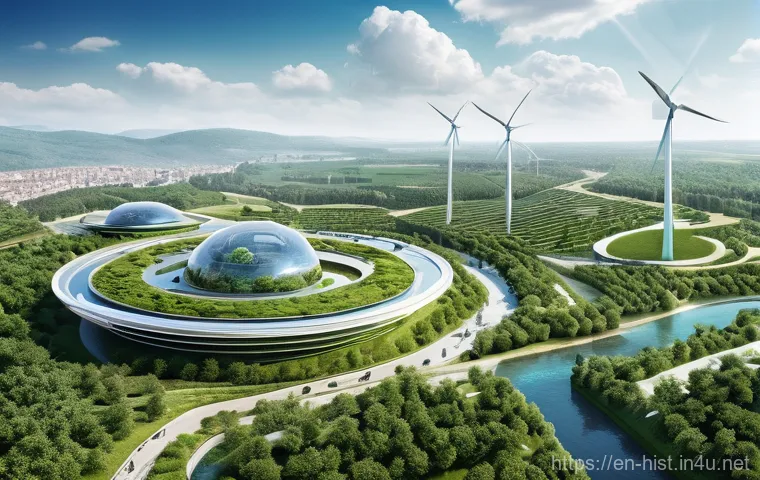
The European Green Deal, wow, it’s not just a policy, is it? It feels like an existential mission for the continent, aiming for climate neutrality by 2050.
When I first learned about the sheer scale of investment required – an estimated €260 billion annually – my jaw practically dropped. That’s a monumental undertaking, akin to rebuilding an entire economy from the ground up with sustainability as its blueprint.
What truly impresses me is the ambition behind it; it’s a statement that Europe is not just dabbling in environmental policy, but truly committing to a transformative shift.
I’ve personally seen the growing awareness and excitement around sustainable practices among businesses and individuals alike, so this push feels incredibly timely, albeit incredibly challenging.
It’s a bold gamble, no doubt, but one that could position the EU as a global leader in green technologies and sustainable living for decades to come. The innovation it’s sparking, the conversations it’s generating – it’s all incredibly invigorating to watch.
The Investment Imperative
Getting to climate neutrality by 2050 isn’t just a wish; it’s going to demand serious cash, and I mean *serious* cash. The €260 billion annually isn’t just government spending; it’s a huge signal for private capital to jump in, too.
From what I’ve been reading and the conversations I’ve had, there’s a strong push to make green investments more attractive, whether through incentives, clearer regulatory frameworks, or innovative financial instruments.
This isn’t just about ethical investing anymore; it’s becoming a massive economic opportunity. Think about it: solar panel production, wind farm development, sustainable agriculture, electric vehicle infrastructure – these are all burgeoning sectors that require significant capital injection.
What I find particularly exciting is the potential for new industries and job creation that comes with this investment wave. It’s not just about reducing carbon; it’s about building a future economy that’s fundamentally different and, hopefully, more resilient.
I’ve even seen how local communities are getting involved, understanding that these investments can bring tangible benefits right to their doorstep.
Navigating the Transition Challenges
But let’s be real, embarking on something as transformative as the Green Deal isn’t going to be a walk in the park. There are bound to be significant challenges, and from my vantage point, these are just as crucial to acknowledge as the opportunities.
The sheer scale of transitioning away from fossil fuels, for example, is immense and will undoubtedly impact certain industries and regions more than others.
We’re talking about retraining workforces, adapting existing infrastructure, and dealing with potential energy price fluctuations during the transition.
I’ve heard concerns from businesses about the upfront costs and the complexity of new regulations, especially for smaller enterprises that might not have the resources of larger corporations.
It’s a delicate balancing act, ensuring that the push for sustainability doesn’t inadvertently stifle economic growth or create undue burdens. The EU has a massive task ahead to ensure a just transition, supporting those most affected and bringing everyone along on this journey.
It’s a real test of political will and collective problem-solving, and I’m watching closely to see how they manage these inevitable bumps in the road.
Digital Dynamics: Reshaping Europe’s Tech Landscape
The digital world moves at lightning speed, and the EU, bless its heart, is trying to keep pace with some pretty ambitious regulations. The Digital Markets Act (DMA) is a prime example, and honestly, it’s shaking things up in a way that I find absolutely fascinating.
It’s aiming for fairer competition among digital giants, and while the intention is noble – who doesn’t want a level playing field? – the practical implications are huge.
I’ve personally observed how major tech companies are scrambling to adapt, and it’s not just a matter of checking a box. We’re talking about fundamental changes to how they operate, how they interact with smaller businesses, and even how they offer their services to consumers.
It’s a bold move by the EU to assert its regulatory power in the digital sphere, and it really makes you wonder if other regions will follow suit. The consequences, both intended and unintended, are going to be felt for years to come across the global tech ecosystem.
The Impact of the Digital Markets Act (DMA)
The DMA, in my view, is a game-changer, plain and simple. It’s designed to rein in the market power of “gatekeepers” – those huge online platforms that essentially control access to digital markets.
This means everything from app stores to search engines and social media platforms. I’ve been following the discussions, and it’s clear that the goal is to prevent these giants from unfairly favoring their own services or stifling competition from smaller players.
What this could mean for consumers is more choice and potentially better services, as smaller companies get a fairer shot. For businesses, especially European startups, it could open up new avenues for growth that were previously dominated by entrenched incumbents.
I’ve seen some hopeful entrepreneurs discussing how this could finally give them the leverage they need. However, it’s also creating a massive compliance burden for the gatekeepers, and there’s a lot of debate about how strictly it will be enforced and what the long-term ripple effects will be across the digital economy.
Innovation vs. Regulation: A Delicate Balance
This is where it gets really interesting for me – the tension between fostering innovation and implementing robust regulation. On one hand, you want a dynamic, competitive digital market that sparks new ideas and technologies.
On the other, you want to ensure fairness, protect consumer data, and prevent monopolies from stifling progress. The DMA is definitely leaning towards the latter, and some critics are concerned it might inadvertently slow down innovation or make Europe a less attractive place for tech companies to invest and grow.
I’ve heard arguments that overly strict rules could lead to a “chilling effect,” where companies become hesitant to experiment for fear of falling afoul of complex regulations.
However, proponents argue that without such regulations, innovation often gets concentrated in the hands of a few powerful players anyway. It’s a tricky tightrope walk, finding that sweet spot where competition thrives without choking off the very ingenuity we want to encourage.
My hope is that the EU can refine its approach over time to ensure it strikes the right balance.
Geopolitical Ripples: External Pressures and Internal Resilience
You know, it’s impossible to talk about the EU’s economy without acknowledging the massive shadows cast by global geopolitical events. From trade tensions with major partners to ongoing conflicts in various parts of the world, these external pressures are not just abstract headlines; they have very real, tangible impacts on businesses and consumers across Europe.
I’ve personally seen how disruptions in supply chains, for instance, can quickly translate into higher prices or product shortages on store shelves. It’s a constant reminder that even a bloc as powerful as the EU isn’t immune to what happens beyond its borders.
The challenge, as I see it, is how the Union fortifies its internal resilience while also strategically engaging with a complex and often unpredictable global landscape.
It’s a delicate dance between protecting its own interests and maintaining crucial international relationships.
Global Trade Tensions and Supply Chains
Global trade tensions have become a recurring headache, and it’s clear they’re not going away anytime soon. The EU, with its heavily export-oriented economy, is particularly vulnerable to tariffs, sanctions, and protectionist policies from major trading partners.
I’ve observed firsthand how businesses reliant on international supply chains have had to re-evaluate their strategies, looking for ways to diversify their sourcing and production to minimize risks.
This isn’t just about big corporations; it impacts countless small and medium-sized enterprises that are part of these intricate global networks. What’s more, the push for “reshoring” or “friendshoring” production, while offering some security, often comes with higher costs, which ultimately can trickle down to consumers.
It’s a complex game of chess, where every move on the geopolitical board has economic repercussions felt across the continent. The good news is that the EU’s diverse economy and strong internal market offer some buffering, but the constant need for adaptation is undeniable.
Fortifying the Union: Strategic Autonomy
In response to these external shocks, the concept of “strategic autonomy” has really gained traction within the EU, and it’s something I find incredibly important.
It’s not about isolation; it’s about reducing vulnerabilities and ensuring that Europe has the capacity to act independently in key areas, whether that’s energy security, defense, or critical technologies.
I’ve seen a noticeable shift towards investing in domestic production capabilities, fostering European champions in strategic sectors, and strengthening alliances with like-minded partners.
This drive for self-reliance is a direct response to the lessons learned from recent crises, where dependencies on single suppliers or geopolitical adversaries proved costly.
It’s an ambitious goal, requiring significant coordination and investment across member states, but one that I believe is essential for the long-term stability and influence of the Union.
It shows a mature understanding that while global integration has benefits, it also requires a robust domestic foundation to withstand shocks.
The Single Market Advantage: Unpacking the Pillars of Prosperity
When I think about the true genius of the European Union, the single market immediately comes to mind. It’s more than just a free trade area; it’s a monumental achievement that has fundamentally transformed how goods, services, capital, and people move across the continent.
From my perspective, this freedom of movement is the very engine of European prosperity, fostering competition, driving down prices, and giving businesses access to a market of over 450 million people.
It’s genuinely mind-boggling to imagine a continent once divided by countless borders and customs checks now operating as one seamless economic zone. This interconnectedness has created opportunities that simply wouldn’t exist otherwise, making it easier for a small business in Ireland to sell its products in Italy, or for a skilled professional from Poland to find work in Germany.
It’s the bedrock upon which so much of the EU’s economic success is built, and its enduring strength is something truly remarkable.
Free Movement: The Engine of Growth
The four freedoms of the single market – free movement of goods, services, capital, and people – are, in my opinion, the lifeblood of the EU economy. Think about it: manufacturers can source components from across the Union without tariffs, service providers can offer their expertise in multiple countries, investors can deploy capital where it’s most needed, and individuals can pursue education or career opportunities wherever they choose.
I’ve personally seen how these freedoms have enabled countless businesses to scale up and reach new customer bases they could never have accessed before.
This intense competition within the single market also encourages efficiency and innovation, benefiting consumers through a wider variety of products and services at competitive prices.
It’s a dynamic ecosystem that constantly pushes for improvement, creating a virtuous cycle of growth and opportunity. It truly makes the entire continent feel more connected and accessible.
Challenges to Cohesion
While the single market is a powerful engine, maintaining its cohesion isn’t always straightforward. I’ve observed that despite the overarching rules, there can still be subtle barriers to truly frictionless movement, whether it’s differing national regulations, administrative hurdles, or varying interpretations of EU law.
The challenge often lies in harmonizing standards without stifling local traditions or specific needs. For example, while services are theoretically free to move, licensing requirements can still vary significantly from one member state to another, making it complex for professionals to offer their expertise across borders.
Furthermore, economic disparities between regions, even within the single market, can sometimes create tensions. It’s a constant balancing act for the EU institutions to ensure that the benefits of the single market are felt equitably by all member states and that any remaining obstacles are systematically addressed to maximize its full potential.
It’s a continuous work in progress, always striving for greater integration.
Beyond the Numbers: What These Trends Mean for Everyday Europeans

It’s easy to get lost in the jargon of GDP percentages, inflation rates, and policy documents, isn’t it? But what really matters, from my perspective, is how these grand economic narratives actually touch the lives of everyday Europeans.
When we talk about moderate growth or the Green Deal, we’re ultimately discussing jobs, living standards, the quality of our environment, and the opportunities available to us and our children.
I often think about how a decision made in Brussels can impact a family’s budget in Berlin or a small business owner’s prospects in Barcelona. It’s a powerful connection, and understanding these trends isn’t just for economists; it’s for everyone who calls Europe home.
The EU’s economic direction isn’t just about macroeconomic stability; it’s deeply intertwined with the social fabric and individual aspirations of its citizens.
Impact on Jobs and Livelihoods
Let’s talk about jobs, because honestly, that’s where the rubber meets the road for most of us. Moderate economic growth in 2025, coupled with declining inflation, generally paints a more stable picture for the job market.
What I’ve seen is that the focus on green investments, for instance, isn’t just about saving the planet; it’s a massive source of new job creation in areas like renewable energy, sustainable agriculture, and eco-friendly manufacturing.
However, this also means some traditional industries might face transitions, requiring workers to adapt and acquire new skills. The digital transformation spurred by initiatives like the DMA also means an increasing demand for tech-savvy talent.
For everyday Europeans, this means a need for continuous learning and adaptability. I’ve personally felt the shift in skill requirements, and it emphasizes the importance of lifelong education and vocational training to ensure everyone can participate in the evolving economy.
Consumer Choices in a Changing Economy
As consumers, we’re also directly impacted by these broader economic currents. The expected decline in inflation is fantastic news, as it means our money might stretch a bit further, giving us more purchasing power and perhaps a little breathing room in our household budgets.
What’s more, the Green Deal’s influence means we’ll likely see an even greater push towards sustainable products and services. I’ve noticed a growing array of eco-friendly options in supermarkets and appliance stores, and this trend is only set to accelerate.
The DMA, with its goal of fostering competition in digital markets, could lead to more innovative services and potentially better deals on everything from streaming platforms to online shopping.
It’s about empowering us, the consumers, with more choices and more transparent options. I often find myself consciously looking for brands that align with these evolving values, and it feels good to know that my choices can contribute to a larger, positive shift.
Investment Horizons: Where Capital is Flowing and Why
If you’re anything like me, you’re always keeping an eye on where the smart money is heading. And right now, within the EU, the investment landscape is a dynamic tapestry woven with threads of sustainability, digital innovation, and strategic resilience.
It’s not just about chasing the highest returns anymore; there’s a palpable shift towards investments that align with the Union’s broader policy goals and long-term vision.
What I find particularly fascinating is how these macro trends are directing capital flows, creating new hotspots for growth and reshaping traditional investment portfolios.
It truly feels like a pivotal moment where economic strategy and societal values are converging in the world of finance, offering both new risks and incredible opportunities for those who know where to look.
Green Investments Surge
There’s no doubt in my mind: green investments are absolutely surging within the EU, and it’s a trend that’s only going to intensify. With the ambitious targets of the European Green Deal, capital is being channeled into renewable energy projects, sustainable infrastructure, energy-efficient technologies, and circular economy initiatives at an unprecedented rate.
I’ve seen countless reports highlighting the growth of green bonds and ESG (Environmental, Social, and Governance) funds, as both institutional investors and individual savers look to align their money with their values.
This isn’t just a feel-good story; it’s a recognition that sustainable businesses are becoming increasingly resilient and future-proof. Many companies are finding that investing in greener practices not only meets regulatory requirements but also enhances their brand reputation and attracts a new generation of conscious consumers and investors.
It’s a powerful testament to the idea that doing good can also be good for business.
Tech Sector Attractiveness
Despite the increased regulatory scrutiny from initiatives like the Digital Markets Act, the tech sector within the EU remains incredibly attractive for investment.
It’s a testament to the continent’s vibrant startup ecosystem, its highly skilled workforce, and its strong commitment to research and development. While some global tech giants might be navigating new compliance challenges, there’s still enormous capital flowing into areas like AI, cybersecurity, fintech, and biotech.
I’ve personally been impressed by the innovation coming out of European tech hubs, and investors clearly see the long-term potential. The focus now is perhaps less on unrestrained growth and more on sustainable, ethically sound technological advancements.
This includes developing European champions that can compete on the global stage, ensuring that the continent not only consumes but also produces cutting-edge digital solutions.
It’s a nuanced picture, but one that continues to draw significant interest from venture capitalists and private equity firms alike.
| Indicator | EU 2024 (Estimate) | EU 2025 (Projection) | Euro Area 2024 (Estimate) | Euro Area 2025 (Projection) |
|---|---|---|---|---|
| Real GDP Growth | 1.0% | 1.6% | 0.9% | 1.5% |
| Inflation (HICP) | 2.7% | 2.2% | 2.7% | 2.2% |
| Unemployment Rate | 6.0% | 5.9% | 6.5% | 6.4% |
The Evolving Role of Europe on the Global Stage
It’s absolutely clear that the European Union isn’t just an internal economic force; its role on the global stage is constantly evolving, driven by both internal aspirations and external pressures.
When I look at how the EU navigates complex international relations, from trade agreements to climate diplomacy, it’s a masterclass in multilateralism, albeit with its own set of internal challenges.
This isn’t just about economic might; it’s about projecting values, influencing global standards, and asserting a collective voice in a world that often feels increasingly fragmented.
I’ve always found it fascinating how 27 diverse nations can come together to form a common foreign policy stance, demonstrating a powerful commitment to diplomacy and international cooperation.
It really highlights the unique nature of the EU as a global actor, striving for stability and prosperity not just within its borders, but across the world.
Shaping Global Standards and Regulations
One area where the EU truly shines, in my opinion, is in its ability to shape global standards and regulations. Think about it: from data privacy with GDPR to environmental regulations and, now, digital market rules like the DMA, what starts in Brussels often becomes a benchmark for the rest of the world.
I’ve personally observed how companies operating globally often adopt EU standards simply because it’s easier to comply with one high standard than to differentiate by region.
This “Brussels effect” gives the EU immense soft power, allowing it to influence everything from product safety to ethical AI development. It means that decisions made within the Union have ripple effects far beyond its borders, impacting how businesses operate and how governments regulate in distant lands.
It’s a powerful demonstration of how a collective approach to rulemaking can have a disproportionate global impact, truly setting a precedent for responsible governance.
Challenges in a Multipolar World
Despite its significant influence, the EU operates in an increasingly multipolar and complex world, which presents its own set of formidable challenges.
Balancing relationships with major global powers, navigating renewed geopolitical rivalries, and responding to regional conflicts – it’s a constant tightrope walk.
I’ve seen how internal disagreements among member states can sometimes complicate a unified EU response, especially when national interests diverge on sensitive issues.
Furthermore, the rise of protectionism and the questioning of multilateral institutions pose a direct challenge to the EU’s foundational belief in open trade and international cooperation.
For the Union to maintain its standing and effectively project its values, it needs to continually reinforce its internal cohesion and present a united front on critical global issues.
It’s a never-ending diplomatic endeavor, requiring both patience and strategic foresight to navigate the turbulent waters of modern international relations.
Innovation and Research: Fueling Europe’s Future
If there’s one area that truly excites me about the EU’s future, it’s the relentless focus on innovation and research. It’s not just about keeping pace; it’s about leading the charge in critical fields that will define the 21st century.
I’ve personally seen the incredible talent pool across European universities and research institutions, and the concerted effort to channel this brainpower into tangible breakthroughs is truly inspiring.
From cutting-edge advancements in artificial intelligence to revolutionary developments in sustainable energy and healthcare, Europe is consistently punching above its weight.
What I find particularly compelling is the collaborative spirit; researchers from different countries often team up, pooling their expertise and resources to tackle complex global challenges.
This collaborative ecosystem is, in my opinion, one of the EU’s greatest strengths, laying the groundwork for future economic growth and societal well-being.
Horizon Europe: Driving Scientific Breakthroughs
Horizon Europe, the EU’s flagship research and innovation program, is an absolute powerhouse, and it’s something I often highlight when discussing the continent’s future prospects.
With a substantial budget, it’s designed to fund ambitious projects that address global challenges, from climate change and cancer to digital transformation and sustainable development.
I’ve seen how this program fosters cross-border collaboration, bringing together top scientists, researchers, and innovative companies from across member states.
This isn’t just about academic pursuits; it’s about translating scientific discovery into practical solutions that can benefit society and drive economic competitiveness.
The sheer diversity of projects funded, from developing new vaccines to designing smarter cities, demonstrates the breadth of Europe’s commitment to pushing the boundaries of knowledge.
It’s an investment in human ingenuity, and I genuinely believe it’s one of the best investments the EU is making for its long-term future.
Fostering a Culture of Entrepreneurship and Startups
Beyond large-scale research projects, there’s a vibrant and growing emphasis within the EU on fostering a robust culture of entrepreneurship and supporting startups.
I’ve had the pleasure of interacting with countless passionate founders across Europe, and their drive and innovative spirit are truly infectious. While there’s always been a strong focus on established industries, there’s a noticeable shift towards creating more favorable environments for new businesses to emerge, grow, and scale.
This includes initiatives aimed at simplifying administrative procedures, providing access to venture capital, and building stronger networks between entrepreneurs, mentors, and investors.
The goal is to ensure that Europe remains a fertile ground for groundbreaking ideas to flourish, transforming brilliant concepts into successful enterprises that create jobs and contribute to the economy.
It’s about cultivating the next generation of innovators who will shape Europe’s economic destiny, and I find that incredibly optimistic and exciting to witness.
Wrapping Things Up
Well, what a journey we’ve had, diving deep into the intricate tapestry of the EU’s economic landscape for 2025! It’s genuinely invigorating to dissect these complex trends, isn’t it? As we’ve seen, Europe is far from a stagnant entity; it’s a dynamic, evolving bloc charting a course through both predictable currents and unexpected storms. From the cautious optimism surrounding economic growth and the welcome descent of inflation to the ambitious strides of the Green Deal, the transformative power of digital regulations, and the ever-present ripples of global geopolitics, there’s so much to consider. What truly resonates with me is the unwavering commitment to fostering a resilient, sustainable, and innovative future, even while navigating the inevitable challenges. It’s a testament to the collective will and strategic foresight within the Union, promising a path forward that, while demanding, is also brimming with opportunity for businesses and citizens alike. My hope is that this deep dive has offered you some clarity and maybe even sparked a few new thoughts on where Europe is headed.
Useful Information to Know
Keeping up with the fast-paced European economy can feel like a full-time job, but a few key takeaways can truly make a difference in how you perceive and interact with its unfolding narrative. Here are some actionable insights and key considerations I’ve found incredibly useful when looking at the EU’s economic direction:
1. Focus on Resilience, Not Just Rapid Growth: The EU’s economic strategy for 2025 is less about explosive expansion and more about building robust internal markets and supply chains. This means looking for stability and sustainable business models that can weather future global shocks, a crucial factor for long-term planning and investment.
2. Green Investments are Your Golden Ticket: The European Green Deal isn’t just an environmental initiative; it’s a massive economic driver. Businesses and investors should actively explore opportunities in renewable energy, sustainable tech, and circular economy models. ESG (Environmental, Social, and Governance) factors are no longer optional but integral to future financial success and competitive advantage within the EU market.
3. Digital Regulations are Reshaping the Tech Playbook: The Digital Markets Act (DMA) is a game-changer. For smaller tech companies, it could open doors to fairer competition, while larger platforms must adapt significantly. Understanding these regulations is vital for anyone operating in or looking to enter the European digital landscape, as they will influence everything from app store policies to data usage.
4. Upskill and Adapt for the Evolving Job Market: The dual transitions—green and digital—are creating new jobs and changing existing ones. Prioritizing continuous learning, especially in areas like renewable technologies, AI, data analytics, and cybersecurity, will be paramount for career growth and stability in the EU’s future economy. Employers, too, should invest heavily in reskilling their workforce.
5. The Single Market Remains a Cornerstone: Despite external pressures and internal discussions, the free movement of goods, services, capital, and people within the EU is its foundational strength. Leveraging this vast interconnected market for business expansion, professional mobility, and consumer choice continues to be a powerful strategy, offering unparalleled access to diverse opportunities.
Key Takeaways
Reflecting on our comprehensive discussion, it’s clear that the European Union is navigating a complex yet promising path into 2025 and beyond. At its core, we anticipate a period of moderate but resilient economic growth, supported by a continued deceleration in inflation, which should provide much-needed stability for households and businesses alike. The transformative power of the European Green Deal stands out as a colossal commitment, not only to climate neutrality but also as a catalyst for unprecedented green investments and job creation across the continent. Simultaneously, the proactive regulatory stance embodied by the Digital Markets Act is fundamentally reshaping the tech landscape, aiming to foster fairer competition and empower consumers within the digital sphere. Geopolitical events continue to cast long shadows, reinforcing the EU’s drive for strategic autonomy and diversified supply chains to bolster its internal resilience. Ultimately, the enduring strength of the single market, coupled with a relentless focus on innovation and research, forms the bedrock of Europe’s future prosperity, promising a dynamic environment for those ready to adapt and engage.
Frequently Asked Questions (FAQ) 📖
Q: So, what’s the actual word on the street about the EU’s economy looking ahead, especially with all these global curveballs?
A: Oh, that’s a fantastic question and honestly, it’s something many of us are wondering! From what I’ve personally observed and the latest buzz, the European Commission is actually projecting moderate growth for the EU economy in 2025 – we’re talking around 1.1% for the EU as a whole and about 0.9% for the Euro area.
And get this, inflation is expected to keep declining, which is certainly a sigh of relief for our wallets! But let’s be real, it’s not all sunshine and rainbows.
We’re facing some serious headwinds, like those ever-present global trade tensions and the unpredictability of geopolitical instability. These factors always add a layer of complexity, making us collectively hold our breath a little, wondering how they’ll truly impact the daily grind for businesses and consumers across the continent.
It’s a delicate balance, for sure, but the underlying sentiment seems to be one of cautious optimism tempered by an awareness of the world’s moving parts.
I’ve personally found that keeping an eye on these larger trends helps me understand the smaller, day-to-day economic shifts we all feel.
Q: These huge policies like the European Green Deal and the Digital Markets
A: ct sound super ambitious. But how are they really going to affect businesses and us regular folks on the ground? A2: You hit the nail on the head there!
These aren’t just abstract policies; they’re set to dramatically reshape things. When I think about the European Green Deal, which aims for climate neutrality by 2050, my immediate thought goes to the sheer scale of investment required – we’re talking an estimated €260 billion annually!
For businesses, especially in energy, manufacturing, and transportation, this means both massive challenges in adapting existing operations and incredible opportunities for innovation in green tech.
It’s a huge push towards sustainability, which is fantastic for the planet, but it’s definitely a costly transition. Then there’s the Digital Markets Act (DMA).
From what I’ve personally seen, it’s already shaking things up for the big tech players, aiming for fairer competition. While the intention is great – giving smaller businesses a better fighting chance and offering more choice to us consumers – it does spark a debate about how it might impact innovation or even the competitiveness of European tech firms.
I’ve noticed a lot of companies are scrambling to comply, which can be a drain on resources initially. Ultimately, both policies are about steering the EU towards a more sustainable and equitable future, but the journey to get there is going to be incredibly dynamic, affecting everything from product costs to digital services we use every day.
Q: Considering the EU started with such a focus on unity and free movement, how does it manage to balance those core benefits with all the modern challenges and internal disagreements we sometimes hear about?
A: Oh, that’s truly the million-dollar question, isn’t it? It’s what makes the EU such a fascinating and sometimes perplexing entity! When I think back to its origins, rising from the ashes of war, the idea of unity and seamless cooperation – especially the free movement of goods, services, capital, and people – was nothing short of revolutionary.
And honestly, for many of us, that’s still the greatest tangible benefit. I mean, imagine crossing borders without a fuss or having access to such a diverse market!
However, maintaining that unity amidst global trade tensions, geopolitical instability, and the sheer ambition of initiatives like the Green Deal, which asks a lot from individual nations, is an ongoing tightrope walk.
What I’ve personally gathered is that the EU often navigates these waters through intense negotiation and compromise among its 27 member states, each with its own unique economic situation and political priorities.
It’s never perfect, and we definitely hear about the disagreements, but the underlying commitment to the foundational principles of economic integration and cooperation usually wins out.
It’s a continuous, evolving process of balancing sovereign interests with the collective good, and it’s a testament to its enduring vision that it continues to adapt and push forward, despite all the bumps in the road.
It truly makes you appreciate the complexity behind the smooth experience of, say, using the Euro in multiple countries!