In today’s fast-paced world, where modern design often takes center stage, exploring the timeless beauty of traditional ceramics offers a refreshing escape.
Recently, there’s been a growing fascination with East Asian art, especially the refined elegance of Korean pottery. Among these, Goryeo celadon and Joseon white porcelain stand out as iconic symbols of Korea’s rich cultural heritage.
Their distinct styles and historical significance invite us to embark on a captivating journey through centuries of craftsmanship. Join me as we uncover the subtle contrasts and enduring allure that make these ceramics so uniquely enchanting.
This exploration promises insights not just into art, but into the stories and traditions woven into every piece.
The Subtle Artistry Behind Korean Ceramics
Mastering the Craft: Techniques That Define Each Era
The creation of Korean ceramics is a story of meticulous craftsmanship passed down through generations. In the Goryeo period, potters developed a signature celadon glaze that required precise control over kiln temperatures and atmosphere.
Achieving that iconic jade-green tint was no simple feat—it demanded a balance of oxidation and reduction firing that few could master. On the other hand, Joseon artisans embraced simplicity and purity with their white porcelain, focusing on thin walls and understated elegance.
This shift in technique reflects a broader cultural movement toward Confucian ideals, emphasizing modesty and restraint. Watching a skilled potter shape clay on a wheel, you can almost feel the centuries of refinement embedded in every curve and glaze.
Distinctive Visual Elements: From Color to Form
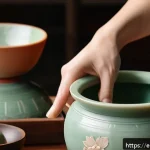
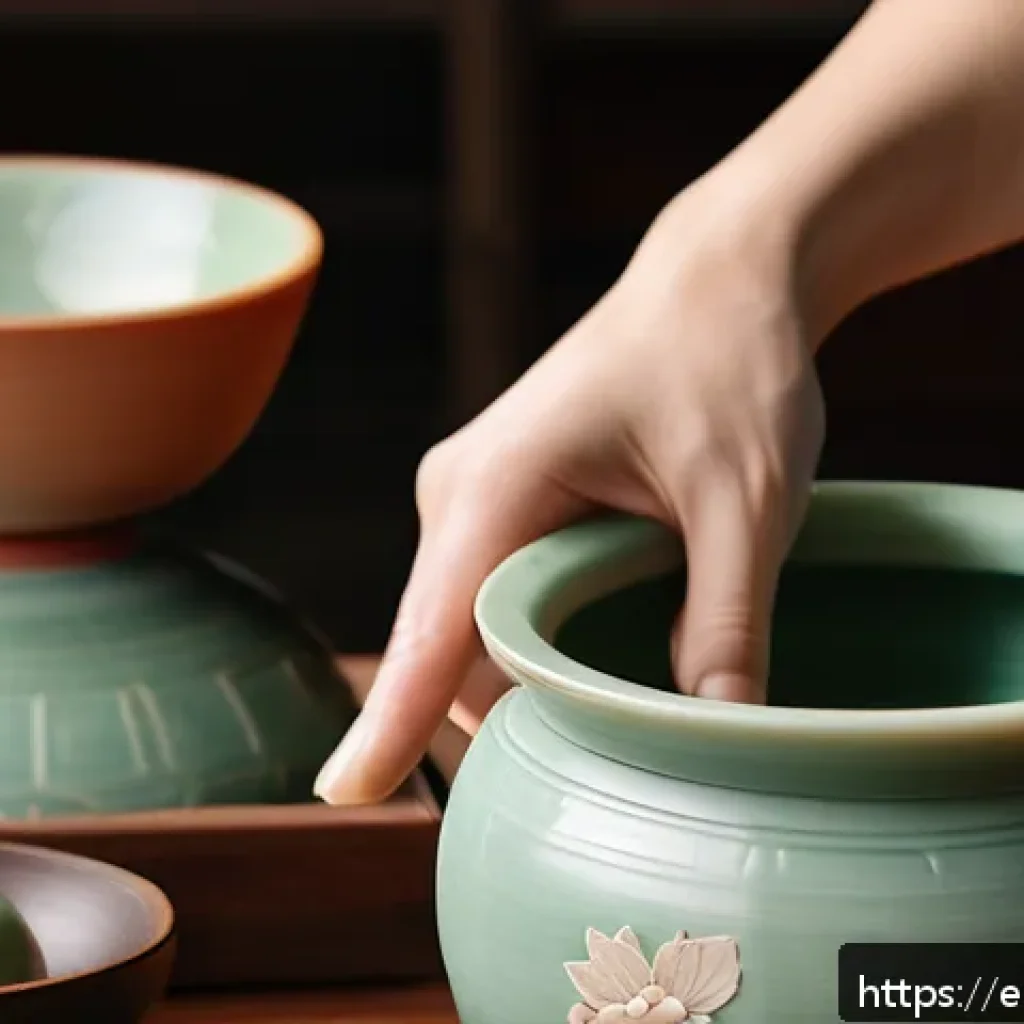
Visually, Goryeo celadon and Joseon white porcelain couldn’t be more different yet equally captivating. Goryeo celadon dazzles with its translucent, greenish-blue glaze often adorned with inlaid designs of cranes, clouds, or lotus flowers, symbolizing longevity and purity.
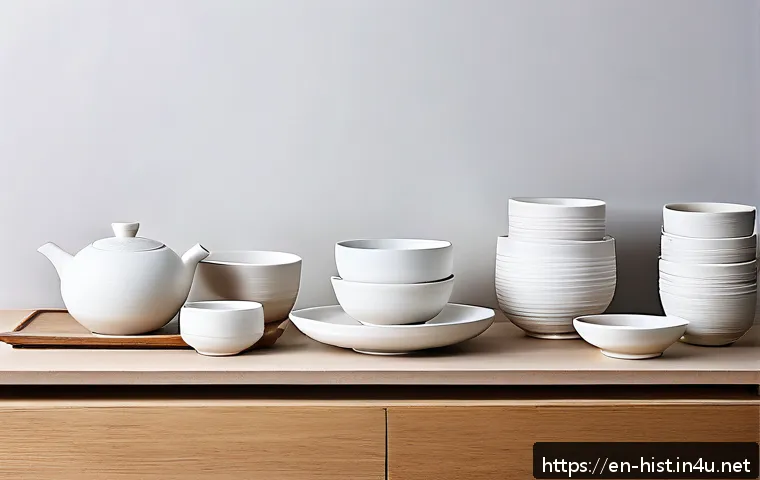
The surface texture is smooth and almost glass-like, inviting touch and admiration. Joseon white porcelain, by contrast, strips away ornamentation to focus on flawless whiteness and graceful shapes.
Some pieces incorporate subtle brushwork or incised patterns, but the real beauty lies in the purity and balance of form. This minimalism creates a serene aesthetic that feels timeless and introspective, perfect for everyday use or ceremonial occasions.
The Cultural Narratives Embedded in Ceramics
Beyond their physical beauty, these ceramics tell stories about Korean society across centuries. Goryeo celadon reflects a period of artistic flourishing and royal patronage, where elegance and sophistication were prized.
Each piece was not just a vessel but a work of art meant to impress and inspire. Joseon white porcelain emerged during a time of social reform and Confucian revival, embodying ideals of humility and virtue.
This change in ceramic style mirrors shifts in philosophy and governance, making the pottery a silent witness to history. Holding a Joseon white porcelain cup today, you can almost sense the quiet dignity and daily rituals of Korean life from centuries ago.
How Historical Context Shaped the Evolution of Korean Pottery
Political Influences on Artistic Direction
The Goryeo dynasty was marked by stability and strong royal support for the arts, which allowed celadon production to thrive. The court’s interest in luxury items spurred innovation and experimentation with glazes and motifs.
However, when the Joseon dynasty took over, the political climate shifted toward Neo-Confucian values, emphasizing austerity and moral integrity. This philosophical pivot led to a dramatic change in ceramic aesthetics, favoring white porcelain’s restrained beauty over celadon’s ornate designs.
Political upheavals and foreign invasions also influenced pottery, as resources and artisans were affected, leading to regional variations and adaptations.
Religious and Philosophical Reflections in Design Choices
Religion played a subtle but significant role in shaping ceramic art. Goryeo celadon often features Buddhist symbolism, reflecting the religion’s prominence at the time.
Lotus flowers and cranes, common motifs, are imbued with spiritual meaning, symbolizing purity and longevity. In contrast, the Joseon era’s Confucian dominance steered artists away from religious iconography toward more secular, moralistic expressions.
The simplicity and functionality of white porcelain align with Confucian ideals of modesty and practical virtue. This philosophical underpinning gives the ceramics not just aesthetic value but also a deeper cultural resonance.
Societal Impact on Pottery Usage and Appreciation
The role of ceramics in daily life also evolved with society’s changing structure. Goryeo celadon was often reserved for aristocrats and royalty, serving as symbols of status and refinement.
Their delicate nature made them prized possessions rather than utilitarian items. Joseon white porcelain, however, became more widespread, reflecting a society that valued practical beauty accessible to a broader range of people.
This democratization of ceramics meant that these pieces were not only admired as art but integrated into everyday rituals like tea ceremonies, dining, and ancestral rites.
It’s fascinating to see how these objects bridged the gap between art and life.
Comparing Aesthetic Philosophies: Ornamentation vs. Minimalism
The Expressiveness of Goryeo Celadon Decoration
Goryeo celadon is often described as poetic, with its intricate inlay techniques and vivid motifs. The potters’ ability to embed detailed patterns beneath the glaze gives each piece a layered complexity that invites prolonged viewing.
The decorations are not merely decorative but imbued with symbolic meaning, elevating the pottery to a form of storytelling. This rich expressiveness aligns with a cultural appreciation for beauty and refinement, where art serves both functional and ceremonial roles.
When you examine a celadon bowl up close, the subtle color shifts and delicate carvings feel like a dialogue between the artist and the viewer.
The Quiet Elegance of Joseon White Porcelain
In contrast, Joseon white porcelain embodies a quiet strength through its restraint. The absence of bright colors or elaborate designs emphasizes form, texture, and proportion.
This minimalist approach requires a different kind of skill, where perfection is found in subtle irregularities and the pure whiteness of the glaze. It’s a style that invites contemplation and calm, resonating deeply with meditative philosophies.
I’ve found that using a white porcelain cup often enhances the tea-drinking experience, as the simplicity allows the senses to focus more on the moment and the flavors.
How These Philosophies Influence Modern Design
Modern designers often draw inspiration from these contrasting philosophies. The ornate beauty of Goryeo celadon influences contemporary ceramics and home décor, appealing to those who appreciate intricate craftsmanship and historical depth.
Meanwhile, the minimalist ethos of Joseon white porcelain resonates strongly with current trends favoring simplicity, sustainability, and mindfulness.
In my own home, I blend both styles—displaying a celadon vase for its artistic richness while using white porcelain tableware daily for its understated elegance.
This blend creates a balanced environment that honors tradition yet feels relevant today.
Technological Innovations and Their Impact on Korean Pottery
Advancements in Kiln Technologies
The evolution of kiln technology played a critical role in the development of both Goryeo celadon and Joseon white porcelain. The Goryeo period saw the refinement of the anagama kiln and later the chamber kiln, allowing potters to achieve the precise temperature and atmosphere needed for celadon’s unique glaze.
These technological improvements enabled greater consistency and artistic experimentation. During the Joseon era, innovations in kiln design further enhanced firing control, essential for producing the thin, pure white porcelain that became the dynasty’s hallmark.
These advancements not only improved quality but also increased production efficiency, making fine ceramics more accessible.
Material Science Behind the Glazes
The chemistry of glazes is fascinating, especially considering the era when these ceramics were produced. Goryeo celadon’s signature green hue results from iron oxide in the glaze reacting under specific kiln conditions—a delicate balance that potters learned to manipulate through trial and error.
Joseon white porcelain, on the other hand, required extremely pure kaolin clay and precise firing to achieve its translucent whiteness without cracks or discoloration.
Understanding the raw materials and their interactions with heat reveals the incredible expertise of Korean potters, who essentially practiced early material science long before it was formally recognized.
Preservation Challenges and Modern Restoration Efforts
Given their age and fragility, preserving these ceramics is a major challenge. Goryeo celadon’s thin glaze and delicate inlay work make it vulnerable to chipping and fading, while Joseon white porcelain’s thin walls can crack easily.
Museums and collectors today use advanced techniques like 3D scanning, controlled environments, and gentle cleaning methods to protect these treasures.
I’ve visited exhibitions where restorers carefully piece together broken shards, bringing ancient ceramics back to life. These efforts ensure that future generations can continue to appreciate not only the beauty but also the cultural stories embedded in these works.
Understanding the Symbolism in Korean Ceramics
Motifs and Their Meanings in Goryeo Celadon
The decorative motifs in Goryeo celadon are rich with symbolism. Cranes often represent longevity and good fortune, while lotus flowers symbolize purity and spiritual awakening.
Clouds and waves evoke natural harmony and the flow of life. These images were carefully chosen to convey wishes for prosperity, health, and peace. The use of inlay technique further enhances their significance, creating a tactile and visual depth that invites reflection.
For me, learning these meanings transforms the act of viewing celadon from passive admiration to an engaging cultural experience.
The Philosophical Underpinnings of Joseon White Porcelain Designs
Joseon white porcelain’s minimalist decoration is steeped in Confucian philosophy, which values simplicity, sincerity, and moral integrity. Any markings are subtle—often a faint incised line or a modest brushstroke—reflecting restraint and humility.
This aesthetic encourages the user to focus on inner virtues rather than external showiness. It’s a philosophy that resonates deeply in daily life, reminding us to seek beauty in purity and function.
When I hold a white porcelain piece, I feel connected to this ethos, appreciating the quiet dignity it embodies.
How Symbolism Enhances Contemporary Appreciation
Today, understanding these symbolic layers adds a new dimension to collecting and displaying Korean ceramics. It’s not just about the visual appeal but also the stories and values each piece carries.
Incorporating these ceramics into modern spaces can evoke a sense of continuity and respect for heritage. Personally, I find that knowing the symbolism deepens my connection to the objects, turning them into conversation starters and sources of inspiration.
Whether in a gallery or on a dining table, these ceramics remind us of timeless cultural narratives that transcend time and place.
Comparison Table of Goryeo Celadon and Joseon White Porcelain Characteristics
| Aspect | Goryeo Celadon | Joseon White Porcelain |
|---|---|---|
| Era | 918–1392 | 1392–1897 |
| Main Material | Stoneware with celadon glaze | Porcelain (kaolin clay) |
| Color | Translucent greenish-blue | Pure white |
| Decoration | Inlaid motifs (cranes, lotus, clouds) | Minimalistic, sometimes incised or brushed patterns |
| Philosophical Influence | Buddhist symbolism, royal patronage | Confucian ideals of simplicity and humility |
| Typical Use | Luxury items for aristocracy | Everyday and ceremonial use |
| Production Technique | Reduction firing with precise temperature control | High-temperature firing for thin, pure porcelain |
| Symbolic Meaning | Longevity, purity, spiritual harmony | Modesty, virtue, functional beauty |
Modern Revival and Global Influence of Korean Ceramics
Contemporary Artists Reinterpreting Tradition
In recent years, Korean ceramics have experienced a vibrant revival, with contemporary artists drawing inspiration from traditional techniques while infusing modern sensibilities.
Some potters experiment with new forms and glazes that echo the celadon palette but incorporate abstract or asymmetrical shapes. Others revisit the white porcelain tradition, creating minimalist pieces that fit seamlessly into modern lifestyles.
These artists not only preserve heritage but also push boundaries, making Korean ceramics relevant on the global art stage. Having attended a few exhibitions, I was amazed at how these contemporary works maintain a dialogue with history while feeling fresh and innovative.
Korean Ceramics in International Markets
The global art market has shown increasing interest in Korean pottery, especially among collectors who appreciate its unique blend of history, craftsmanship, and aesthetic philosophy.
Goryeo celadon pieces fetch high prices at auctions due to their rarity and beauty, while Joseon white porcelain is prized for its understated elegance.
Beyond collectors, lifestyle brands incorporate these ceramics into homeware lines, appealing to consumers seeking authenticity and cultural depth. This growing demand highlights a broader appreciation for artisanal products that connect us to tradition in a fast-moving world.
From what I’ve observed, Korean ceramics are carving out a distinct niche that blends heritage with contemporary appeal.
Integrating Korean Ceramics into Everyday Life
One of the most exciting aspects of this revival is how Korean ceramics are being embraced for everyday use, not just as collectibles. Tea ceremonies, dining settings, and interior décor increasingly feature celadon and white porcelain, bringing a touch of elegance and mindfulness into daily routines.
I’ve personally adopted this practice, finding that using these ceramics elevates simple moments into mindful experiences. The tactile feel, the visual calmness, and the cultural resonance create a unique atmosphere that modern mass-produced tableware rarely achieves.
This trend reflects a growing desire to slow down and appreciate craftsmanship in everyday living.
Conclusion
Korean ceramics embody a rich tapestry of history, philosophy, and artistry that continues to inspire today. The delicate balance between ornate celadon and minimalist white porcelain reflects deeper cultural values and historical shifts. Exploring these ceramics offers not only aesthetic pleasure but also a meaningful connection to Korea’s enduring heritage. Whether admired as art or embraced in daily life, they invite us to appreciate craftsmanship and tradition in a modern world.
Helpful Information
1. Korean ceramics are divided mainly into two eras: Goryeo celadon and Joseon white porcelain, each with distinct styles and cultural meanings.
2. The Goryeo period’s celadon is known for its jade-green glaze and symbolic inlaid motifs, reflecting Buddhist influences and royal patronage.
3. Joseon white porcelain emphasizes simplicity, purity, and Confucian ideals, often featuring subtle decorations or none at all.
4. Technological advances in kiln design and material knowledge were essential to the evolution and quality of these ceramics.
5. Contemporary artists are revitalizing Korean ceramics by blending traditional techniques with modern design, expanding global appreciation.
Key Takeaways
Korean ceramics serve as cultural artifacts that reveal the intersection of art, philosophy, and history. The contrast between the ornate celadon and minimalist porcelain highlights shifting societal values from royal extravagance to Confucian modesty. Technological innovation played a crucial role in perfecting these crafts, while modern revival efforts ensure their relevance today. Understanding these layers enriches both appreciation and practical use, bridging past and present in everyday life.
Frequently Asked Questions (FAQ) 📖
Q: uestionsQ1: What makes Goryeo celadon pottery distinct from other types of ceramics?
A: Goryeo celadon is renowned for its exquisite jade-green glaze, achieved through a highly controlled firing process that was revolutionary for its time.
What sets it apart is the intricate inlay technique called “sanggam,” where artisans carve delicate patterns into the clay and fill them with contrasting colored slips before glazing.
This results in a subtle yet sophisticated design that feels both organic and elegant. Having seen several authentic pieces in museums, I can say the craftsmanship reflects a perfect harmony between nature-inspired motifs and technical mastery, which is rare in ceramics worldwide.
Q: How does Joseon white porcelain reflect Korean culture and philosophy?
A: Joseon white porcelain embodies simplicity and purity, mirroring the Confucian ideals that influenced Korean society during the Joseon dynasty. Unlike the ornate Goryeo celadon, these white porcelains are understated, often featuring minimal decoration or subtle brushwork.
This aesthetic choice highlights humility and restraint, values deeply rooted in Korean culture. From my visits to Korean art exhibitions, I noticed how the porcelain’s clean lines and soft glaze evoke a calming presence, making everyday objects feel serene and dignified—an artistic expression of everyday philosophy.
Q: Are Goryeo celadon and Joseon white porcelain still made today, and how can collectors identify authentic pieces?
A: Yes, both Goryeo celadon and Joseon white porcelain traditions continue through skilled contemporary artisans who honor these historic techniques while sometimes incorporating modern influences.
However, authentic antique pieces are highly valued and often found in specialized galleries or auctions. For collectors, identifying genuine works involves examining details like glaze texture, inlay precision, and kiln marks, which require expert knowledge.
Personally, I recommend consulting trusted appraisers or visiting reputable museums to learn firsthand. Authentic pieces tend to have subtle imperfections that tell stories of handcrafting, distinguishing them from modern reproductions.