Japan’s defeat in the Pacific War came after years of growing Allied military pressure, followed by the Soviet Union’s entry into the war and the atomic bombings of Hiroshima and Nagasaki.
Emperor Hirohito announced Japan’s acceptance of surrender terms on August 15, 1945, and the formal surrender was signed on September 2. The outcome was not caused by one battlefield event alone.
Instead, Japan faced shrinking military options across the Pacific and a rapidly worsening situation in August 1945. The final decision was shaped by several pressures whose exact relative importance remains debated.
The Pacific War Before Japan’s Collapse
Japan’s expansion and the attack on Pearl Harbor
The Pacific War entered a new phase when Japan attacked Pearl Harbor on December 7, 1941. The attack brought the United States into World War II and turned the conflict into a far broader war across the Pacific. From that point, Japan faced an opponent with major naval, air, and ground forces that would become increasingly active in the region.
Japan’s military position could not be judged only by early operations or by the territory it controlled. Holding distant areas required ships, aircraft, supplies, and secure communication routes. As the war continued, those requirements became harder to meet.
Allied strategy of island-hopping and naval warfare
Allied forces steadily recaptured territory across the Pacific through naval, air, and ground campaigns. This approach moved the fighting across strategic islands and seas rather than treating every Japanese-held area as equally important. Naval warfare and air operations supported landings, cut off positions, and increased pressure on Japanese forces.
The campaign was gradual rather than a single uninterrupted advance. Still, its larger effect was clear: Japan lost ground, and Allied forces gained positions from which they could continue operations closer to Japan.
Military Pressure on the Japanese Empire
The loss of sea power, air power, and supply routes
Control of the sea and air was central to the Pacific conflict. Japan depended on maritime movement to connect its forces and maintain territories across a vast area. As Allied naval and air campaigns advanced, Japan’s ability to protect supply routes and move resources was increasingly constrained.
This kind of pressure did not operate separately from combat on land. A force that cannot be reliably supplied, reinforced, or supported from the air faces a different military reality, even before a final battle occurs. The historical record supports the broad importance of these pressures, while the precise effect of each factor on Japan’s final decision requires careful interpretation.
Fighting from the Philippines to Okinawa
Campaigns from the Philippines to Okinawa showed how close and costly the fighting had become. Allied operations continued to reduce Japan’s defensive position and demonstrated that the war would not remain confined to distant parts of the Pacific. The movement of the conflict toward Japan added to the strategic pressure already created by losses at sea and in the air.
These campaigns also mattered because they formed part of a sustained Allied effort. Japan was confronting military pressure across several connected fronts, not simply reacting to one isolated event in the final week of the war.
| Development | How it increased pressure on Japan |
|---|---|
| Allied Pacific campaigns | Allied forces recaptured territory through naval, air, and ground operations. |
| Losses in sea and air power | Japan’s ability to defend supply routes and support distant forces was reduced. |
| August 1945 events | The atomic bombings and the Soviet offensive created an acute final crisis. |
The Events of August 1945
Atomic bombings and the Soviet offensive in Manchuria
In August 1945, the United States dropped an atomic bomb on Hiroshima on August 6 and another on Nagasaki on August 9. These attacks introduced an immense new form of destruction into the final stage of the war.
At the same time, the Soviet Union declared war on Japan and invaded Japanese-held Manchuria in August 1945. Japan therefore faced both the atomic bombings and a new Soviet military offensive during the same critical period. Any explanation of the surrender decision should account for both developments, as well as the earlier military pressure of the Pacific campaign.
Japan’s decision to accept surrender terms
Japan accepted surrender terms in the middle of this rapidly changing situation. The atomic bombings, the Soviet entry into the war, pressure on supply routes, and the prospect of further fighting all formed part of the context. However, the exact weight Japanese leaders assigned to each of these factors is not fully settled.
There were also internal disagreements within Japan’s government and military during the final days. The full range of those disagreements requires further historical examination, so it is too simple to present the decision as automatic or unanimous.
Surrender and the End of the War

The Emperor’s radio address and the formal signing
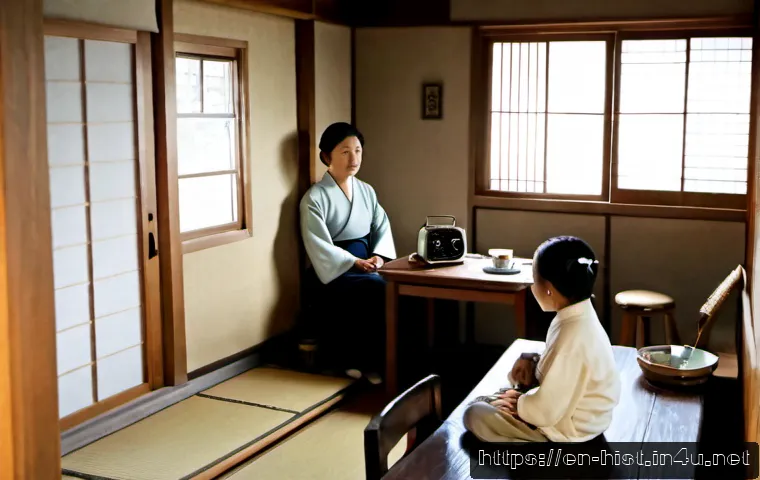
Emperor Hirohito announced Japan’s acceptance of surrender terms on August 15, 1945. The announcement marked the practical end of the war for Japan, although the formal legal and military act followed later.
Japan formally signed the Instrument of Surrender aboard the USS Missouri on September 2, 1945. That signing is the official surrender date in World War II. Keeping the two dates distinct helps avoid confusion: August 15 was the announcement, while September 2 was the formal signing.
Consequences for Japan and East Asia
Allied occupation and postwar reconstruction
Japan’s surrender ended its wartime conflict with the Allies and opened the period of Allied occupation and postwar reconstruction. The war had reshaped East Asia through years of military expansion, combat, and territorial change. The end of hostilities created the conditions for a new postwar order, though the details and effects differed across the region.
For readers studying this period, it is useful to separate the end of fighting from the longer process that followed. The surrender was a decisive event, but the political and social consequences of the war continued beyond September 1945.
Closing Thoughts
Japan’s defeat was the result of sustained pressure that built over the course of the Pacific War. Allied advances weakened Japan’s military position, while the events of August 1945 intensified the final crisis. The atomic bombings and the Soviet offensive were both central to understanding that moment. At the same time, the precise balance of influences on Japan’s leaders remains a matter requiring careful historical judgment.
Useful Information to Know
Japan attacked Pearl Harbor on December 7, 1941, bringing the United States into World War II.
The United States dropped atomic bombs on Hiroshima on August 6, 1945, and Nagasaki on August 9, 1945.
The Soviet Union declared war on Japan and invaded Japanese-held Manchuria in August 1945.
Japan announced acceptance of surrender terms on August 15, 1945, and formally signed on September 2.
Key Points at a Glance
The Pacific War ended for Japan after Allied military advances, severe strategic pressure, the Soviet entry into the war, and the atomic bombings. August 15, 1945, marks the Emperor’s surrender announcement; September 2, 1945, marks the formal signing aboard the USS Missouri.
Frequently Asked Questions
Q1. Why did Japan lose the Pacific War?
A1. Japan lost after Allied naval, air, and ground campaigns steadily recaptured territory and weakened its ability to maintain forces and supply routes. In August 1945, the Soviet declaration of war and invasion of Manchuria, along with the atomic bombings, added major pressure during the final crisis.
Q2. Did the atomic bombs alone cause Japan to surrender?
A2. The atomic bombings were a major part of the final events, but they were not the only factor. Japan also faced the Soviet entry into the war, earlier Allied military pressure, and the prospect of continued fighting. The exact relative weight of these factors in Japan’s decision remains uncertain.
Q3. When did Japan officially surrender in World War II?
A3. Japan officially signed the Instrument of Surrender on September 2, 1945, aboard the USS Missouri. Emperor Hirohito had announced Japan’s acceptance of surrender terms on August 15, 1945.