The Donghak Peasant Revolution was a grassroots uprising, while the Gabo Reform was a state-led reform program launched during the same 1894 crisis. They shared concerns about inequality and change, but they differed in leadership, authority, methods, and results.
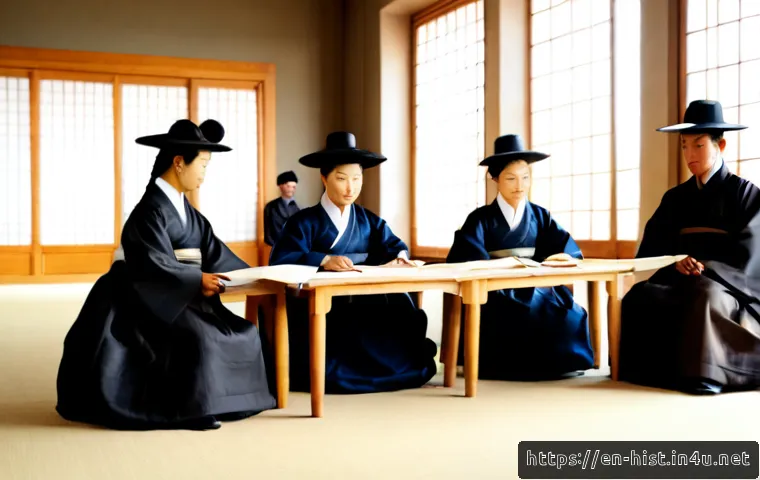
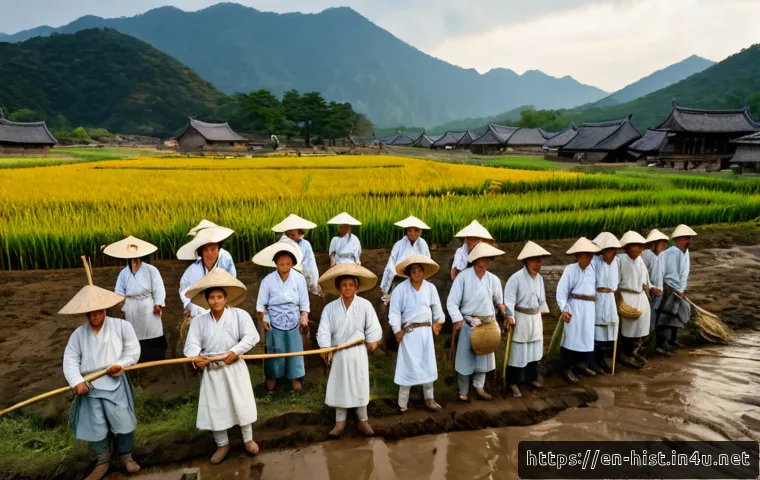
The uprising began around Gobu in Jeolla Province and drew strength from anger over corruption, heavy burdens, social inequality, and foreign influence.
The reform program worked through government institutions and sought changes in administration, law, the class system, and the civil service examination system.
For students, the most useful study materials clearly separate these two developments before explaining where their historical contexts overlap. A reliable history book, academic course, or museum collection can help readers compare events without treating them as one single movement.
At a Glance
- The Donghak Peasant Revolution was a popular uprising that began in 1894, initially centered in Gobu, Jeolla Province.
- The Gabo Reform was a government reform program launched in 1894 amid domestic unrest and growing Japanese influence.
- Both belonged to the same national crisis, but they were not the same event and did not have the same political authority.
| Comparison Point | Donghak Peasant Revolution | Gabo Reform |
|---|---|---|
| Leadership | Popular movement associated with leaders such as Jeon Bong-jun | Government-led reform effort |
| Main setting | Rural unrest and organized rebel activity | State institutions and government administration |
| Central concerns | Corruption, heavy burdens, inequality, and foreign influence | Modernizing administration and law under intense political pressure |
| Political method | Uprising, military action, and negotiation | Official reform measures enacted through the government |
| Result in 1894 | Rebel forces captured Jeonju, but the renewed uprising was defeated later that year | Reforms introduced changes, though implementation and long-term effectiveness remain debated |
The Core Difference: A Popular Uprising and a State Reform Program
The clearest answer is simple: the Donghak Peasant Revolution came from below, while the Gabo Reform came through the state. The revolution involved people mobilizing against conditions they considered unjust. The reform program involved government action intended to change parts of Joseon administration, law, and society.
Quick Answer: Why Both Emerged in 1894
Both developments emerged during a severe crisis in late Joseon Korea. Local corruption, heavy burdens, social inequality, and concerns about foreign influence created deep frustration. At the same time, political instability and growing Japanese influence placed major pressure on the government. This shared setting explains why the uprising and reform program are often discussed together.
Why They Should Not Be Treated as the Same Event
Shared timing does not mean shared identity. The Donghak movement had its own popular base and its own form of political action. The Gabo Reform was launched through government institutions. It is reasonable to compare their reform-oriented concerns, but it is misleading to say that the reform program was simply the uprising in another form.
A careful history essay should therefore ask two separate questions: What did the rebels seek to challenge? And what did the government attempt to change? Keeping those questions separate makes the comparison much clearer.
Causes of the 1894 Crisis in Late Joseon Korea
The crisis of 1894 cannot be reduced to one cause. Domestic grievances and international pressure existed at the same time. A strong study guide should show how these pressures connected without claiming that every later event had a single, simple cause.
Local Corruption, Inequality, and Rural Hardship
The Donghak Peasant Revolution began in 1894 during the late Joseon period, initially centered in Gobu, Jeolla Province. Anger over local corruption, heavy burdens, social inequality, and rural hardship contributed to the uprising. These were not abstract political issues for many participants; they were connected to the way authority affected everyday life.
Jeon Bong-jun became one of the movement’s best-known leaders. Rebel forces captured Jeonju in 1894, leading to negotiations commonly called the Jeonju Truce. This episode shows that the movement was not only a local complaint. It became a major challenge that the state had to confront.
Foreign Intervention and Political Instability
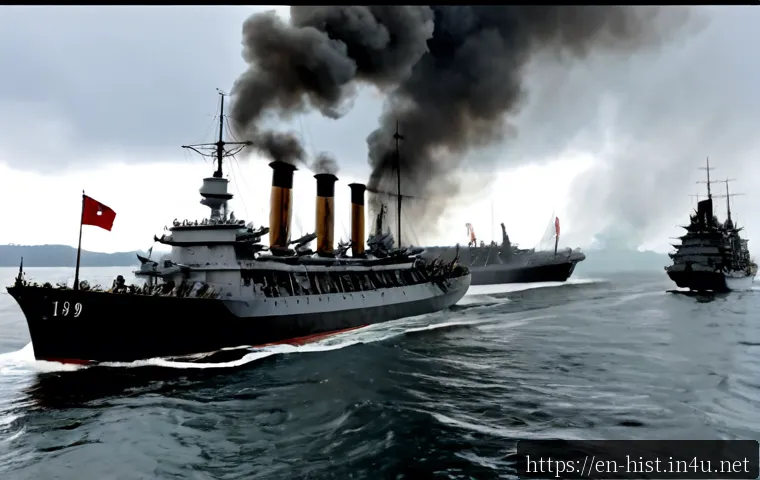
Foreign influence was also part of the wider crisis. The Gabo Reform was launched amid domestic unrest and growing Japanese influence. For this reason, historical accounts should avoid presenting modernization as a purely independent government project with no outside pressure.
At the same time, it is too simple to treat every reform measure as nothing more than foreign control. Historians differ over the reforms’ effectiveness and over the meaning of foreign influence. A balanced account should identify both the domestic need for change and the political conditions surrounding the reform process.
Comparing Goals, Leaders, and Methods
Comparison works best when it follows a few stable categories: leadership, social base, goals, method, and outcome. This approach helps readers avoid mixing a popular movement with a government program simply because both addressed reform.
Donghak Leaders and Peasant Reform Demands
The Donghak movement was rooted in popular dissatisfaction. Its participants reacted to corruption, unequal social conditions, heavy burdens, and foreign influence. Jeon Bong-jun is especially important in study materials because his name helps identify the movement’s leadership and the scale of the uprising.
The movement used direct political action. Rebel forces organized, advanced militarily, captured Jeonju, and entered negotiations. The renewed uprising was later defeated in late 1894, including at the Battle of Ugeumchi. That defeat is essential to the story, but it should not erase the movement’s role in revealing the depth of the crisis.
Government Officials, Modernization, and Political Pressure
The Gabo Reform was different in source and method. It was a series of government reforms launched in 1894. Major measures sought to modernize administration and law, including changes to the class system and the civil service examination system.
These measures are often studied as part of Korea’s modernization history. Still, readers should distinguish between the announcement of reform and its consistent effect across the country. It is not certain that every measure was implemented in the same way in every region.
Comparison Table: Movement Versus Reform Program
| Question | Donghak Peasant Revolution | Gabo Reform |
|---|---|---|
| Who had authority? | Organized popular and rebel forces | Government institutions |
| What pushed change forward? | Public grievance and uprising | Official reform measures during political crisis |
| What is the key historical lesson? | Grassroots pressure could become a national political force | State modernization could occur under difficult internal and external pressures |
| What should students avoid saying? | That it was merely a government reform plan | That it was identical to the Donghak movement |
What Changed Under the Gabo Reform—and What Did Not
The Gabo Reform is important because it introduced major reform efforts within the government. Yet its significance should be explained with care. A reform measure on paper and a fully consistent change in daily life are not automatically the same thing.
Administrative, Social, and Legal Changes
The reform program sought to modernize administration and law. It also included changes involving the class system and the civil service examination system. These areas matter because they affected how the state organized authority, how social distinctions were understood, and how official service was structured.
For a concise classroom comparison, it is enough to remember that the Gabo Reform focused on government-led institutional change. For a research paper, however, readers should consult academic history books or primary-source-based resources that explain individual measures in context.
Limits of Reform During War and Foreign Influence

The reforms took place during domestic unrest and growing Japanese influence. That context limits any simple claim that the reforms were either wholly successful or wholly meaningless. Their implementation may not have been consistent across all regions, and historians differ on their long-term effectiveness.
When evaluating a textbook or online course, look for language that distinguishes reform goals, actual implementation, and later historical interpretation. This is a useful standard for history study resources in general.
Common Interpretation Mistakes to Avoid
First, do not merge the Donghak Peasant Revolution and the Gabo Reform into a single event. Second, do not assume that every Donghak demand directly became a specific reform measure; the exact relationship requires careful historical evidence. Third, do not describe the reforms as uniformly applied everywhere without checking the source.
A reliable account should also explain Japanese influence in balanced terms. It should neither ignore that influence nor use it as a shortcut that erases domestic causes and debates.
How to Study the Events Reliably
The best resource depends on your purpose. A short textbook overview may be enough for basic comparison. A university-level history book, structured online course, museum collection, or primary-source reader is more useful when you need evidence, chronology, and competing interpretations.
When a Textbook Overview Is Enough
Choose a textbook overview when you need a quick answer to questions such as, “What is the difference between the Donghak Revolution and the Gabo Reform?” Look for a timeline that places Gobu, the capture of Jeonju, the Jeonju Truce, the Gabo Reform, and the Battle of Ugeumchi in a clear sequence.
A good beginner resource should define key terms without making unsupported claims about direct causation. It should identify Jeon Bong-jun, explain the government basis of the Gabo Reform, and note the role of foreign influence.
When to Choose an Academic History, Online Course, or Museum Collection
Choose an academic history book when you need scholarly interpretation and citations. Choose an online history course when you benefit from guided lessons, maps, and chronological explanations. Choose a museum collection or primary-source-focused resource when you want to examine how documents, objects, images, and historical records are presented.
For a class assignment or deeper research project, compare more than one resource type. A textbook can provide the framework, while an academic study or museum resource can help test whether the framework leaves out important context.
Checklist for Evaluating Maps, Timelines, and Historical Claims
Use this checklist before selecting a history book, digital course, or study guide:
- Does it identify primary sources or explain where its claims come from?
- Is the author or institution clearly identified, with relevant academic expertise?
- Does the map place Gobu, Jeonju, and other events in a useful geographical context?
- Does the timeline separate the uprising, the Jeonju Truce, the reform program, and the renewed conflict?
- Does it discuss Japanese influence with balance rather than presenting a one-sided explanation?
- Does it distinguish established facts from interpretations historians still debate?
Selection Criteria and Comparison Summary
Choose a resource based on the level of detail you need. Beginners usually benefit from a textbook overview with a timeline. Students writing assignments should look for academic authorship, citations, maps, and a clear distinction between the uprising and the reform program. Readers pursuing deeper research should add primary-source-based collections and scholarly interpretations.
- For a quick review: choose a concise overview with a chronology of 1894.
- For coursework: choose a book or course that cites evidence and explains key terms.
- For comparison essays: select materials that separate popular action from state policy.
- For historical context: check whether Japanese influence is covered carefully and proportionately.
- For reliable conclusions: verify whether a claim is a documented fact or a debated interpretation.
For course structure, source lists, and coverage details, check the official description on the relevant book, course, or museum resource page.
Conclusion
The Donghak Peasant Revolution and the Gabo Reform were linked by the crisis of 1894, but they represented different routes toward change. One was a popular uprising shaped by social grievance and political resistance. The other was a government reform program focused on institutional modernization. Understanding the difference between grassroots pressure and state-led reform is the key to comparing them accurately.
Useful Information to Know
Jeonju is important because rebel forces captured it in 1894, leading to the Jeonju Truce. Jeon Bong-jun is one of the central names associated with the Donghak movement. Ugeumchi matters because the renewed uprising was defeated in late 1894, including at the Battle of Ugeumchi. These reference points can make a timeline easier to remember.
Important Notes
The exact degree to which individual Donghak demands shaped specific Gabo Reform measures requires careful verification. It is also necessary to check whether a source is discussing reform proposals, formal measures, or consistent implementation across regions. Historians differ on the long-term success of the reforms and on how to interpret the effects of foreign influence.
Frequently Asked Questions
Q1. What is the simplest difference between the Donghak Revolution and the Gabo Reform?
A1. The Donghak Revolution was a popular uprising, while the Gabo Reform was a government-led reform program. They emerged during the same 1894 crisis but had different leaders, methods, and sources of authority.
Q2. Did the Donghak Revolution directly cause the Gabo Reform?
A2. Both developed amid the crisis of 1894, and both addressed reform-related concerns. However, the exact extent to which particular Donghak demands directly shaped each specific Gabo Reform measure needs careful historical verification.
Q3. What kind of book or online course is best for studying the 1894 crisis in Korea?
A3. Start with a clear textbook overview if you need the basic comparison. For deeper study, choose an academic history book, online course, or museum resource that includes primary-source references, maps, timelines, and balanced discussion of Japanese influence.